Car odors—from smoke, pets, and daily use—can linger long after cleaning. Ozone odor eliminators provide powerful, odor-neutralizing performance for in-car environments. This guide highlights five top options, based on ozone output, coverage area, and ease of use, to help you remove stubborn smells in cars, homes, and other spaces.
Summary of Selected Products
| Product | Brand | Ozone Output | Coverage | Notes |
|---|---|---|---|---|
| Ozone Generator 48,000mg | hadlook | 48,000 mg/h | 4,000+ sq ft | High output with safety reminders |
| Ozone Generator 90,000mg/h | LANDNOR | 90,000 mg/h | Up to 6,000 sq ft | Portable, metal casing |
| Ozone Generator 15,000mg/h | TTDMK | 15,000 mg/h | Various spaces including cars | Compact, fast odor removal |
| LKT Car Ozone Generator | LKT | 300-500 mg/h | Small to medium spaces | Portable, continuous use in unoccupied spaces |
| ONAMOR Ozone Generator Odor Eliminator | onamor | 70,000 mg/h | 6,000+ sq ft | Double-layer honeycomb plate design |
Ozone Generator 48,000mg for Car Odor Removal

The hadlook ozone generator delivers up to 48,000 mg per hour, designed to deodorize large areas up to 4,000+ sq ft. Its construction emphasizes strong ozone output with cautions for spaces that include people or pets during treatment. Users should first identify the odor source, then run treatments in unoccupied spaces and ventilate afterward to ensure safe ozone conversion to oxygen. The device is marketed for use in cars, homes, and industrial settings, with emphasis on removing smoke, pet, and cooking odors.
Ozone Generator 90,000mg/h for 6,000 Sq Ft

LANDNOR’s ozone generator targets large spaces with up to 90,000 mg/h, suitable for cars, rooms, basements, and entire homes. The unit’s all-metal casing offers durability, and its compact dimensions enable portability. It claims a long service life and a straightforward setup with minimal assembly. The design emphasizes quick odor removal in diverse environments, with practical suggestions to operate in unoccupied spaces and re-ventilate after treatment.
Ozone Generator 15,000mg/h by TTDMK

TTDMK’s ozone generator delivers 15,000 mg/h, suitable for quick odor elimination in cars, rooms, basements, and offices. It highlights fast deodorization by dispersing ozone efficiently to contact pollutants directly. The device is positioned as suitable for home and vehicle applications, especially when odors from smoke, pets, or cooking are present. It emphasizes broad applicability and a simple user approach for odor control in occupied spaces only after treatment.
LKT Car Ozone Generator
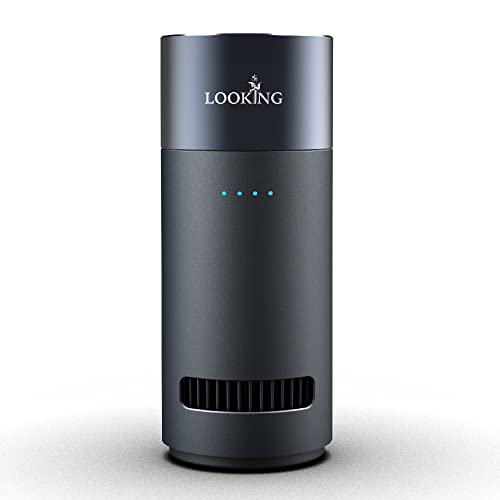
The LKT model emphasizes portability and a high-output range of 300-500 mg/h, designed to deodorize spaces like cars, bathrooms, and small rooms. It advises using the device in unoccupied spaces and notes that ozone works by neutralizing odors rather than masking them. The product caters to quick, localized odor control and is suitable for households seeking a compact, personal ozone solution for cars and small areas.
ONAMOR Ozone Generator Odor Eliminator 70,000mg

ONAMOR offers around 70,000 mg/h of ozone output with a claim to cover 6,000+ sq ft. The device highlights a double-layer honeycomb ozone plate design for higher efficiency and an easy-mannered timer to control treatment duration, including a continuous “HOLD” option. This model is positioned for powerful odor elimination in cars, homes, basements, and offices, with strong emphasis on safety and pre-treatment ventilation.
Buying Guide: Key Considerations for Ozone Odor Eliminators
- Ozone output and coverage: Higher mg/h generally means faster odor removal over larger areas. Match output to space size (cars vs. rooms vs. basements) to avoid overuse.
- Timer and operation: Look for units with adjustable timers and clear hold-continuous settings. This helps customize treatment duration for different spaces.
- Portability versus durability: All-metal casings and handles improve durability for frequent moving between spaces. For car use, consider compact, portable models.
- Safety and occupancy: Treat unoccupied spaces only. Ensure proper ventilation after treatment and follow manufacturer safety warnings to avoid exposure to residual ozone.
- Odor sources and maintenance: Identify odor sources (smoke, pets, cooking) and plan multiple sessions if odors persist. Some units require no replacement parts, while others suggest periodic maintenance.
- Application scope: While car odor is a common use, these devices are also marketed for homes, offices, basements, and vehicles. Consider versatility if you need multi-space use.
- Certifications and safety: Verify product guidelines and any certifications. Follow local regulations regarding ozone use in occupied spaces and vehicles.
- Ease of use and safety features: Look for simple dial timers, audible alerts, and clear warnings about staying away during operation.
Note: All products listed focus on ozone-based odor removal. Users should adhere to safety guidelines, ensure spaces are unoccupied during treatment, and ventilate thoroughly after use to convert ozone back to oxygen before re-entry.