When you’re planning camping, vanlife, or outdoor adventures, staying cool is essential. This guide highlights five portable air conditioners and cooling devices that balance portability, power options, and comfort. Each product is chosen for camping-friendly performance, quiet operation, and practical features like built-in dehumidification, battery compatibility, or windowless design. Use the buying guide at the end to compare how they fit your outdoor lifestyle and power setup.
| Product | Brand | Key Feature |
|---|---|---|
| SereneLife 3-in-1 Portable AC | SereneLife | Cooling, Dehumidifier, Fan with wheels |
| WISHILO Portable AC | WISHILO | Compact 3400 BTU, tent-friendly cooling |
| Dreo AC515S | Dreo | 12,000 BTU with 3-in-1 mode, quiet operation |
| EF ECOFLOW WAVE 3 | EF ECOFLOW | Battery-powered, mobile climate control |
| COOLECH 4-IN-1 Windowless | COOLECH | Windowless, 4-in-1 cooling modes |
The selections below are organized to help you compare cooling power, energy options, and portability. Each product section provides a concise overview plus practical details for camping scenarios.
SereneLife 3-in-1 Portable AC

The SereneLife portable air conditioner combines cooling, dehumidification, and a fan in a compact, wheeled unit. Its lightweight design is intended for use in bedrooms, living spaces, garages, or RVs, with easy rolling wheels for transport. The 3-in-1 operation starts in cooling mode on power-up, with a built-in dehumidifier to help reduce humidity and allergens. This versatility makes it suitable for campsite tents or small cabins where electrical access is available.
Features in focus: portability, three operating modes, and a built-in dehumidifier. The unit’s window mount exhaust kit supports typical window setups, while its simple plug-in operation makes it accessible for casual campers. When humidity levels rise, the dehumidifier mode can improve comfort and air quality without needing a separate device.
COOLECH Windowless Air Conditioner
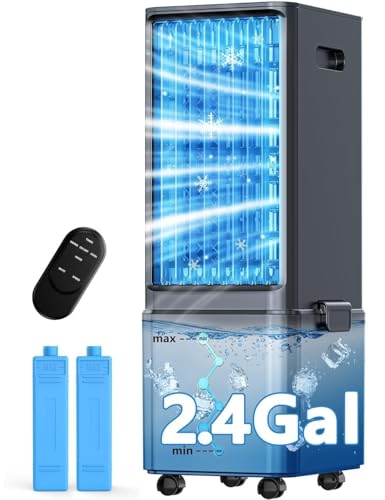
COOLECH’s windowless evaporative air cooler provides a 3-in-1 approach (fan, humidifier, air cooler) without needing a window for exhaust. The model emphasizes a waterless alert system to prevent dry operation and keeps you comfortable in dry climates by adding moisture to the air. It offers four modes and three speeds to tailor cooling and humidity, making it well-suited for warm, arid camping environments where traditional AC is impractical.
Key considerations include the lack of a traditional venting path, the waterless safety features, and the focus on moisture-laden comfort. In hot, dry camping scenarios, this unit can deliver noticeable cooling and humidity control with minimal setup.
WISHILO Portable Air Conditioner

The WISHILO 3400 BTU portable AC is designed for compact spaces like tents, RVs, or small campers. It cools without requiring water or ice and relies on a built-in Panasonic compressor for effective cooling. The unit covers approximately 64–86 square feet and includes a remote for convenient operation in a camping setting. Its moderation in size (roughly 33 pounds) supports portability, with a self-contained cooling system that can operate in a 15-minute turbo mode to rapidly reduce temperatures.
Performance notes emphasize portable cooling in small spaces, ventilation requirements to expel hot air, and the advantage of a quick cooling start. For campers seeking a dedicated climate control option in compact areas, this unit provides a practical balance of cooling speed and ease of use.
Dreo AC515S Portable AC

The Dreo AC515S is a 12,000 BTU portable air conditioner with a compact, quiet design and a 3-in-1 mode integrating cooling, dehumidification, and fan operations. It is engineered to deliver spacious coverage (up to 16 feet with the included layout) while maintaining lower noise levels for comfortable camping or lodging environments. The model emphasizes a patented noise isolation system that reduces compressor and turbulence noise to about 45dB, making it suitable for quiet spaces such as tents, small cabins, or sleeping areas around a campsite.
Performance highlights include a true drainage-free system in areas with humidity, strong cooling reach, and user-friendly controls (including remote and app availability in related models). This unit aligns well with campers who need reliable cooling with minimal maintenance and quieter operation in shared outdoor spaces.
EF ECOFLOW WAVE 3 Portable AC

The EF ECOFLOW WAVE 3 integrates cooling and heating capabilities with portable power flexibility. It can run on the included battery (for up to 8 hours) or be charged via AC, car, or solar options, offering cordless operation ideal for camping, vanlife, or RV use. It cools spaces up to 120–180 sq ft and supports child-friendly, rapid charging (75 minutes) for on-the-go climate control. The device emphasizes modular power options and smart app control, enabling remote monitoring of temperature and energy use.
Useful considerations include the trade-off between weight and battery-powered capability, the importance of a compatible power setup in camping environments, and the ability to operate without a constant power source. For campers seeking a premium, portable climate solution with optional battery support, this model offers a flexible approach to outdoor cooling and heating needs.
Dreo Portable AC515S New

Note: This is the Dreo model referenced as a related variant with similar capabilities, including a high cooling capacity, low noise design, and a 3-in-1 mode (cooling, dehumidifier, fan). It emphasizes output control across a broad temperature range (61°F–86°F) and a patented noise isolation system to maintain quiet operation in sleeping or working environments. This model reinforces Dreo’s emphasis on quiet, efficient cooling for larger rooms and camping setups where low disturbance matters.
Buying Guide: Key Purchase Considerations
When selecting a portable AC or cooling solution for camping, consider these factors to match your environment and power availability:
- Cooling vs. humidity management: If humidity control matters in your campsite, choose models with dehumidifier modes or evaporative cooling, balancing moisture in dry or humid climates.
- Ventilation and exhaust: Windowed units require a vent path; windowless designs rely on evaporative cooling or integrated fans. Assess your campsite’s structure and ventilation options before choosing.
- Power source and endurance: Battery-powered units offer mobility but limit runtime. Corded options need access to AC or generator power. For off-grid trips, prioritize models with battery packs or low power consumption.
- Portability and weight: Lightweight units with wheels are easier to move around a campsite, tent, or vehicle interior. Check dimensions and weight to ensure the device fits your travel setup.
- Noise level: Quiet operation is valuable for sleeping areas and shared campsites. Look for noise isolation features or lower dB ratings, especially for night use.
- Maintenance and water handling: Water tanks, no-water alert systems, and self-evaporating cycles reduce maintenance. Consider how often you’ll refill water or drain condensate.
- Durability and warranty: Outdoor use demands rugged construction and reliable customer support. Check warranty terms and the availability of spare parts in the U.S.
- Size of the cooling area: Ensure the unit’s recommended coverage aligns with your tent or vehicle cabin size. Larger spaces require higher BTU or multiple devices for even cooling.
Comparative considerations across the listed options include whether you prioritize mobility (battery or cordless use), fixed ventilation (windowed) versus ventless cooling, and the level of humidity control that best suits your camping locale. Evaluate your typical camping environment—dry desert heat, humid coastal nights, or cooler mountain air—to choose the unit with the most efficient balance of power, portability, and comfort.