Finding effective cooling for a windowless, small space can be challenging. The following windowless and evaporative models offer compact designs, multiple modes, and timers to help you maintain comfortable temperatures without permanent installation. This guide compares five top options based on cooling capability, energy use, noise level, and ease of use for American homes.
| Product | Brand | Key Benefit | Approx. Room Type |
|---|---|---|---|
| COOLECH 42 Inch Windowless Portable Air Conditioner | COOLECH | 90° oscillation for even coverage | Bedrooms up to 300 sq ft |
| Dreo AC515S (12,000 BTU) | Dreo | Low noise with drainage-free operation | Living rooms and bedrooms |
| Dreo AC515S New (12,000 BTU) | Dreo | Patent-pended noise isolation, strong cooling | Medium to large rooms |
| COOLECH Windowless Air Conditioner (2.4-Gal Tank) | COOLECH | Waterless alert and 4 modes | Dry climates and small-to-medium rooms |
| MYICY Evaporative Air Cooler (35″ Windowless) | MYICY | Ergonomic height, 3 speeds, 12h humidification | Small spaces and tight corners |
COOLECH 42 Inch Windowless Portable Air Conditioner
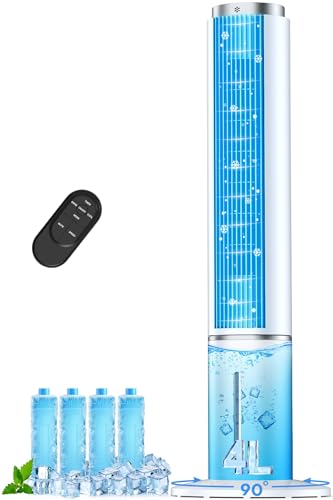
COOLECH’s 42-inch windowless model combines evaporative cooling with multiple modes and speeds to tailor comfort in a windowless room. The unit provides four modes—Cooling, Normal, Sleep, and Nature—and three wind speeds. This flexibility supports varied daily needs, from daytime cooling to quiet nighttime operation. With a 1-gallon tank and a timer, you can schedule cooling without constant monitoring. The standout feature is the 90° oscillation, which distributes air across a broad area, helping to reduce hot spots in medium-sized rooms. It targets spaces up to roughly 300 square feet when air flow is optimized. The design emphasizes portability and simple maintenance, aligning with apartments, dorms, or small bedrooms that lack traditional window access.
Key considerations include water consumption (evaporative cooling relies on water), potential humidity increase in drier climates, and the need for a dry, well-ventilated area for best performance. The COOLECH unit excels in warm, dry regions where evaporative cooling can supplement or replace traditional air conditioning. For users seeking a budget-friendly, windowless solution with adjustable airflow and timer features, this model provides a practical balance of efficiency and ease of use.
Dreo Portable Air Conditioners, 12,000 BTU AC Unit (AC515S)

The Dreo AC515S delivers robust cooling with 12,000 BTU ASHRAE capacity, suitable for larger bedrooms or living spaces without windows. It supports drainage-free operation through an advanced design, which simplifies setup and reduces maintenance. Noise levels are kept low (46dB), making it a viable option for bedrooms, offices, or study areas where quiet performance matters. The 3-in-1 mode combines cooling, dehumidification, and a fan, enabling flexible climate control. A dedicated app and remote control provide convenient operation, while a 24-hour timer helps you schedule cooling to match daily routines. The unit’s tested cooling range supports comfortable temperatures across a broad workspace.
From an energy perspective, users should be mindful of longer run times in hot climates, but the self-evaporating drainage-free feature minimizes manual maintenance. This Dreo model is ideal for those who value quiet operation, remote access, and a straightforward windowless installation in medium-to-large rooms. Consider this unit when you need consistent cooling performance without a window, with emphasis on convenience and automation.
Dreo Portable Air Conditioners, 12,000 BTU (New) AC515S

This newer Dreo model refines the AC515S platform with improved noise isolation, reducing compressor and turbulence sounds, achieving comfortable quiet operation around 45–46dB. The 12,000 BTU capacity continues to offer strong cooling for sizable rooms, and the drainage-free design minimizes setup complexity. The unit maintains a broad temperature range (roughly 61–86°F) for flexible comfort. The integrated weatherproof components and efficient airflow management help limit energy use while delivering reliable cooling. If you favor a quieter, steadier cooling experience in a windowless setup, this variant provides enhanced acoustics and usability.
COOLECH Windowless Air Conditioner (2.4-Gal Tank)
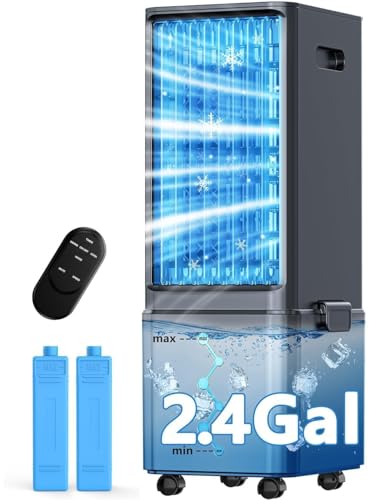
COOLECH’s windowless unit with a 2.4-gallon tank emphasizes a waterless alert system and four modes to suit various comfort needs, including Normal, Natural, Sleep, and Cooling. The waterless alert helps prevent damage by signaling when replenishment is needed, while the Natural Mode provides a gentle breeze after depletion, preventing operational gaps. A 3-speed system (low, medium, high) enables users to tailor airflow intensity, and a 70° auto-swing feature helps distribute air across space efficiently. The 20-foot remote adds convenience for adjusting settings from a distance. This model is especially suitable for dry or arid regions where humidification is less critical than sustained airflow.
COOLECH 4-IN-1 Windowless Air Conditioner

This COOLECH model blends four modes and four speeds into a compact, windowless design. It operates as a fan, humidifier, and evaporative cooler, offering several cooling combinations ideal for dry climates. The Smart Water Alarm system warns when water is low, and a 12-hour timer provides scheduling flexibility. For dry regions with limited access to window installations, this option delivers a practical blend of humidification and cooling while preserving ease of use. The LED touch screen enhances user interaction, and the 4-in-1 approach supports various comfort scenarios in smaller rooms or studios.
MYICY Evaporative Air Cooler (35″)

MYICY offers a tall, 35-inch windowless evaporative cooler designed for tight spaces. It features two modes and three fan speeds, with a 1.2-liter removable tank for straightforward refilling and cleaning. A built-in 12-hour humidification capability helps combat indoor dryness, particularly in arid climates. The unit’s ergonomic height allows easier access for operation without bending, and its 90° oscillation ensures broad air distribution in compact rooms. This model is well-suited for small bedrooms, home offices, or dorms where window access is unavailable and humidity enhancement is beneficial.
Buying Guide: Key Considerations for Windowless Units
- Cooling vs. evaporative power: Evaporative coolers work best in dry, warm environments and add humidity, while traditional windowless units rely on compressors for stronger cooling but require drainage and electricity efficiency considerations.
- Room size and airflow: Check BTU ratings (where applicable) or CFM/airflow specs to match the unit to the space. Windowless designs often perform best in small-to-medium rooms up to 300–450 sq ft, depending on climate and humidity.
- Humidification and dryness: If dryness is a concern, units with humidification options or evaporative modes can improve comfort but may raise humidity levels. Consider a dehumidification mode if humidity is high.
- Drainage and maintenance: Drainage-free or self-evaporating systems simplify setup, especially in spaces without windows where tray drainage isn’t feasible. Waterless alerts help prevent overflows or damage.
- Noise and comfort: Noise isolation and low dBA ratings matter for bedrooms or study areas. Look for models with dedicated noise-reduction features or sleep modes.
- Controls and accessibility: App control, remote operation, timers, and ease of filter or tank maintenance can significantly impact daily usability in windowless setups.
- Climate suitability: Dry climates benefit from evaporative units; humid or coastal areas may require more traditional, sealed designs or dehumidification features to maintain comfort without over-wetting the space.
These five options illustrate a range of approaches to cooling windowless, small rooms. When selecting, prioritize the environment where the unit will operate, the level of humidity, and your preferred balance of maintenance versus performance. The best choice will align with your space’s size, climate, and daily routine, ensuring a comfortable, energy-efficient living area without permanent installation.