The right propane boiler system can deliver warm, efficient radiant floor heating across living spaces. This guide highlights five top picks that integrate smoothly with hydronic radiant floor setups, including pre-assembled control panels and compact boiler solutions. Each option is designed for reliability, easy installation, and compatibility with glycol mixes. Use this overview to compare components, ease of service, and when to choose a radiant-floor-focused control panel versus a traditional tankless boiler.
| Product | Brand | Key Benefit |
|---|---|---|
| Hydronic Radiant Heat Control Panel 2 Zone | Warming Systems | Pre-assembled, easy future service, 1–4 zones |
| Rinnai i060CN Condensing Gas Boiler | Rinnai | Whole-home heating with integrated controls |
| Rinnai RXP199iN Condensing Smart Sense | Rinnai | Versa Vent, propane/NG, compact footprint |
| Rheem RTGH-95DVELP-3 | Rheem | High-efficiency indoor tankless with WiFi |
| Noritz NRCB180DV-NG Indoor Direct Vent Boiler | Noritz | Simultaneous hot water and space heating |
Note: All options support propane or natural gas configurations where stated, and many are compatible with radiant floor loops and glycol systems. When selecting a system, consider zone control needs, installation space, and the availability of service or engineering support in your area.
Hydronic Radiant Heat Control Panel 2 Zone

Features: This pre-assembled hydronic heating panel includes all components needed for a multi-zone radiant system. It’s designed for easy future service with standard name-brand parts. The panel simplifies installation with an attractive layout and room for expansion. It supports glycol systems and is compatible with boilers that have internal or external circulation pumps. Boiler connections are 1” copper; manifold connections are ¾” copper. Made in the USA, with engineering support and warranties from the manufacturer.
In radiant-floor applications, this panel provides centralized control for 1–4 zones. It pairs with a compatible boiler and distribution manifolds, enabling a clean, scalable solution for floor-heating projects. Users should ensure their boiler and pumps meet the panel’s circulation requirements and follow local codes for hydronic systems.
Rinnai i060CN Condensing Gas Boiler
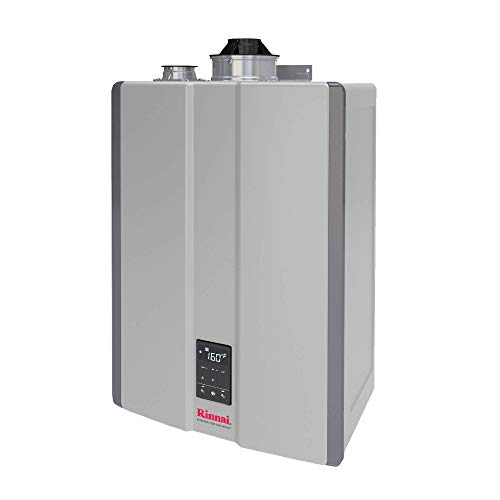
Features: Tankless boiler for whole-home heating and domestic hot water, stainless-steel heat exchanger, and a modulating burner. It includes a built-in domestic hot water plate heat exchanger for showers and faucets. The unit supports multizone control and integrates with thermostat-powered pumps. It offers a digital interface, temperature/pressure displays, and an outdoor reset sensor. Temperature settings range from 104°F to 180°F for space heating and 98°F to 140°F for hot water.
For radiant floors, this condensing boiler delivers high efficiency and compact dimensions. The system’s zoning capability helps tailor floor heating to different rooms or zones. Its smart features facilitate energy management, while installation should consider venting and local code requirements for propane systems.
NEW Rinnai RXP199iN Condensing Smart Sense

Features: Versa Vent-cap-enabled indoor/outdoor installation with propane or natural gas support and a compact footprint. The unit can deliver up to 11.1 GPM while supporting multiple fixtures. It includes a smart control system with an optional control module for WiFi. Quick Flush feature enables easy maintenance, and its efficiency is among the top in condensing gas water heaters.
RXP199iN is suitable for radiant floor projects when paired with a dedicated hydronic circulator and appropriate controls. Its versatility for indoor/outdoor installation helps in tight spaces. Ensure venting compliance and verify compatibility with your radiant floor manifold setup.
Rheem RTGH-95DVELP-3
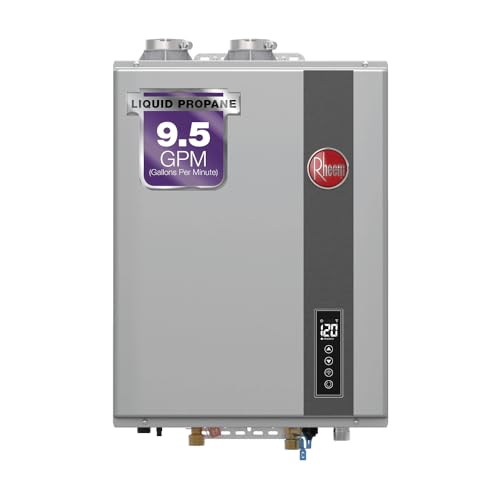
Features: Indoor tankless propane water heater with 9.5 GPM capacity. High-efficiency operation, with EcoNet Wi-Fi technology for remote control and monitoring. This model emphasizes on-demand hot water, reducing standby losses and enabling efficient energy use. It supports recirculation settings and can be integrated with some radiant floor configurations through compatible controls.
In radiant-floor heating projects, this unit can provide hot water quickly to the floor supply loop. For best performance, pair with a suitable expansion tank, air separator, and a compatible pump arrangement. Check local venting requirements and ensure the system can handle the required flow rate for simultaneous fixtures.
Noritz NRCB180DV-NG Indoor Direct Vent Boiler
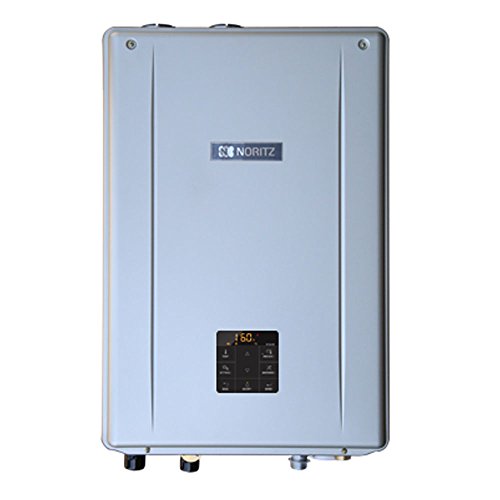
Features: Indoor direct-vent boiler with built-in pump. Suitable for simultaneous domestic hot water and space heating. The model provides stable temperature control for hot water and space heating, with a reliable venting approach. It is designed for natural gas operation and can be configured for propane in some markets with appropriate venting and gas conversion considerations.
For radiant floor work, Noritz boilers offer durable performance with good turndown ratios. Plan the installation around a compatible radiant manifold and correctly sized circulators. Confirm venting strategy and service support in your area to ensure long-term reliability for radiant-floor systems.
Buying Guide: Key Considerations For Propane Radiant Floor Heating
- System type: Decide between pre-assembled hydronic panels and traditional tankless boilers. Panels can simplify zoning and installation, while boilers offer compact integration with existing hot-water demands.
- Zoning and controls: For radiant floors, precise zone control matters. Look for systems with multi-zone capability, Wi-Fi or app control, and outdoor reset options to optimize comfort and energy use.
- Ventilation and venting: Propane boilers require proper venting. Ensure the unit’s venting configuration (direct vent, PVC, or stainless venting) aligns with your home construction and local codes.
- Heat exchanger and efficiency: Condensing models provide higher efficiency and lower running costs. Check the annual fuel utilization efficiency (AFUE) rating and ensure compatibility with your climate.
- Hydronic compatibility: Confirm that the boiler or panel supports glycol for freeze protection, especially in colder climates. Verify connection sizes for injectors, pumps, and manifolds (commonly 1″ or ¾”).
- Sizing and capacity: Match boiler output to the home’s heating load and radiant floor loop requirements. Oversizing can create short cycling; undersizing reduces comfort and response times.
- Maintenance and service: Favor units from brands with strong remote diagnostics, readily available parts, and local service networks to minimize downtime.
- Installation considerations: Assess space, clearance, mounting options, and electrical needs. Pre-assembled panels can save time but still require professional wiring and commissioning.
- Cost of ownership: Compare initial cost, efficiency, maintenance intervals, and potential rebates or warranties. A higher upfront price may payoff through energy savings over time.