Bay windows add charm and space but can complicate heating and insulation. This guide highlights practical products that help maintain warm indoor air around bay-window setups, focusing on insulation, drafts prevention, and enclosure options that complement existing radiators or cooling units. The selections below emphasize reliability, ease of installation, and durable construction to support energy efficiency in varied home layouts.
| Product | Brand | Key Benefit |
|---|---|---|
| Foozet Indoor Air Conditioner Cover Double Insulation, XS Beige | Foozet | Prevents drafts around window AC units; easy installation; double insulation |
| COUGAR MX330 Mid Tower Case with Full Acrylic Transparent Window | COUGAR | Not a heater; showcases components with good airflow options |
| Fractal Design Focus G – Mid Tower Computer Case | Fractal Design | High airflow case with window panel to visualize hardware |
| Window Air Conditioner Insulation Cover for Outside Unit | LITHESOMER | Three-layer insulation for exterior window units; windproof |
| Foozet Indoor Air Conditioner Cover Double Insulation, Large Beige | Foozet | Large-size insulation cover; blocks drafts around big window units |
Foozet XS Indoor Air Conditioner Cover
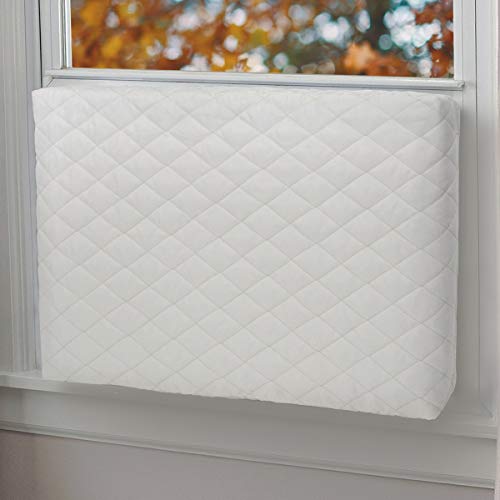
Product overview: This cover is designed to fit windows with air conditioner units, providing a double insulation layer and an inner windblock lining. It helps seal gaps that can channel cold air into living spaces during colder months. The inside dimensions (17″ x 13″ x 3.5″) align with many compact A/C units, making it a versatile option for bay-window configurations where drafts may converge around the sill area. Easy installation is a key feature, enabling quick setup without specialized tools.
Key points: The windblock poly inner lining and outer cover are stitched together to simplify installation. By reducing both wind intrusion and dirt ingress, this cover supports a more stable indoor temperature around bay windows that host windowed cooling or heating components.
LITHESOMER Window AC Insulation Cover

Product overview: A three-layer insulation cover crafted to shield exterior window units from wind, rain, leaves, and UV exposure. It’s designed to reduce energy loss by preventing cold air from entering the unit from outside. The cover’s cuttable design accommodates brackets or brackets’ positions, allowing a tailored fit for various bay-window installations. This option complements insulation strategies for homes with multiple window bays and HVAC components near the window line.
Key points: High-density waterproof outer materials, foam insulation, and aluminum foil layers offer a durable barrier. The cover’s weight and flexibility make it suitable for homes needing a simple, seasonal upgrade to reduce heat loss around bay windows.
Foozet Large Beige Indoor A/C Cover

Product overview: This large-capacity cover targets window air conditioners with interior dimensions around 28″ x 20″ x 3.5″. It provides a double insulation setup—windblock inner lining plus an outer shell—to curb drafts and dust intrusion into the living space. For bay windows housing bigger A/C units, this cover helps stabilize indoor temperatures by minimizing outdoor air exchange when the unit is not actively cooling or heating.
Key points: The design prioritizes compatibility with larger window units and offers robust protection against dirt, soot, and moisture. Used with bay-window drafts management, it contributes to a more consistent room temperature and reduced heating loads during winter months.
Thermaltake Versa H18 To Support Cooling Options

Product overview: While primarily a compact micro ATX PC chassis, the Versa H18 emphasizes high airflow and a compact footprint with support for front-to-back cooling. In contexts near bay windows, such cases illustrate how air movement and venting principles can be applied to optimize draft management around windowed spaces—highlighting the importance of well-ventilated enclosures and the avoidance of stagnation near the window line.
Key points: The case’s airflow-conscious design demonstrates how heat and drafts are managed in tight spaces. When considering bay windows, understanding airflow pathways is crucial for any heating or cooling setup that occurs near or within windowed areas of a room.
Thermaltake AX700 Snow TG Tower
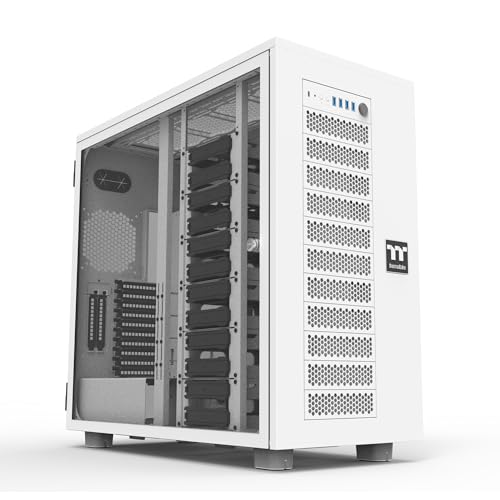
Product overview: This large cooling-focused chassis supports substantial radiator configurations and expansive water-cooling setups, with compatibility for radiators up to 560mm and up to 18x 3.5 or 2.5 drives. In the broader context of bay-window homes, such chassis specs underscore the importance of planning for heat management and air circulation when integrating window-adjacent radiators, ducts, or coolers in adjacent rooms or loft spaces.
Key points: Radiator support and multi-GPU options show how larger cooling solutions require thoughtful airflow management. While not a direct heater, the emphasis on radiators and cooling paths remains relevant for energy-efficient installations near bay windows.
Thermaltake View 600 TG Case

Product overview: The View 600 TG is a full-tower case designed to show off components with triple tempered glass and a large viewing area. It supports up to 420mm radiators and substantial GPU clearance, offering ample space for high-performance cooling configurations. For bay-window rooms that require robust ventilation and generous space planning, this chassis serves as a model for how enclosure design can influence overall air flow and temperature control in adjacent living areas.
Key points: Rotatable PCIe cage, multiple fan trays, and high radiator tolerance illustrate how strategic case placement and airflow planning contribute to energy-efficient setups in rooms with bay windows.
Buying Guide: Key Purchase Considerations For Bay Window Heating And Insulation
- Insulation effectiveness: Look for multi-layer options with windblock linings or foam insulation to minimize drafts entering living spaces near bay windows. Pay attention to fitment dimensions to match window sizes and sill depths.
- Ease of installation: Choose covers and insulative products that install without tools and offer adjustability for brackets or frames commonly found in bay-window configurations.
- Durability and weather resistance: For exterior-use covers, select materials that withstand wind, moisture, and UV exposure to prolong life during winter months.
- Airflow considerations: If near cooling or heating components, consider products that do not obstruct essential airflow. When choosing computer or electronics enclosures, prioritize cases with adjustable fan placements and ample radiator compatibility to maintain stable temperatures in nearby spaces.
- Compatibility with window layout: Bay-window setups vary; ensure covers, sleeves, or casings do not impede window operation. The ability to cut or tailor parts can be valuable for bespoke bay windows.
- Energy efficiency impact: Assess how insulation and draft-prevention products influence overall heating loads. Even modest improvements can reduce energy consumption in rooms with large glass areas.
- Maintenance and cleaning: Opt for materials that are easy to wipe clean and resistant to dust buildup, especially in tight bays where dust tends to settle around sill lines and vents.
- Future-proofing: If you may add or reconfigure window units, select versatile covers and insulations that can adapt to changing layouts and equipment without needing full replacements.
This selection concentrates on practical, readily available solutions that support thermal comfort in bay-window environments. The emphasis is on improving insulation, reducing drafts, and ensuring unobstructed airflow around adjacent heating or cooling devices. When planning updates, balance aesthetic considerations with functional performance to optimize both comfort and energy efficiency throughout the room.