If you’re heating an RV or a compact living area, safety and reliable performance matter more than hefty grills. This guide highlights space heaters that balance temperature control, tip-over protection, and energy efficiency for mobile spaces. The selections below feature models with thermostat controls, automatic shutoffs, and design touches that help prevent fire risks while delivering consistent warmth. Read on to compare options and choose a heater that fits your travel lifestyle without compromising safety.
Quick reference table
| Product | Brand | Key Safety Feature | Heat Type |
|---|---|---|---|
| Dreo Space Heater, 1500W (2025 Upgraded) | Dreo | Tilt-detection, V0 flame retardant, overheat protection | PTC Ceramic |
| Caframo True North Heater | Caframo | Solid steel housing, adjustable thermostat | Electric with fan |
| Suburban Wall Mount Electric Heater | Suburban | Slim profile, adjustable thermostat, single speed fan | Electric strip heat |
| Dreo 1500W Portable Heater | Dreo | ETL-listed Shield360°, 1°F increments on thermostat | PTC Ceramic |
| Mr. Heater MH9BXRV Buddy | Mr. Heater | Auto shut-off on tilt/low oxygen, indoor/outdoor use | Radiant propane (indoor rated in proper setups) |
Dreo Space Heater, 1500W Portable With Thermostat

This Dreo model combines a 1500W PTC ceramic heating system with a refined heat funnel design to deliver warmth quickly and extend reach. A tilt-detection sensor adds protective coverage against tip-overs, while the V0 flame-retardant construction and overload protection contribute to safer operation in compact spaces like RV interiors. The unit supports precise temperature control via a digital display and an adjustable thermostat, enabling 41–95°F in 1°F steps. A built-in 12-hour timer helps manage energy use during travel days or overnight stays.
In addition to safety features, the heater emphasizes quiet operation and energy efficiency. The ECO-friendly approach prevents overcooling in small cabins, and the durable housing minimizes the risk of incidental damage during travel. The 70° oscillation helps distribute heat more evenly in tight RV layouts, reducing cold spots near sleeping areas or kitchen corners.
Caframo True North Heater

The Caframo True North is a compact, low-profile heater designed for quiet operation and dependable warmth in smaller spaces. It features five heating and fan settings to tailor output to RV interiors during chilly mornings or evenings. The built-in adjustable thermostat enables steady control, while the anti-freeze setting helps maintain comfortable temperatures during extended trips. The solid steel housing provides durable protection against bumps and movement typical of RV travel, and the slim form factor makes it easier to tuck into corners or under a seating area without cluttering passageways.
Safety considerations emphasize stable placement and avoiding obstruction of the air intake or outlet. The unit’s storage-friendly design makes it suitable for seasonal camping or short-term stays where compact, portable heat is needed without relying on central systems. While not a radiant heater, its consistent warmth and robust construction help minimize the risk of overheating when used as directed.
Suburban Wall Mount RV Electric Heater

Designed for RV interiors, the Suburban wall-mounted heater offers a slim, discreet profile that minimizes intrusion into limited floor space. Its adjustable thermostat and variable heat settings let users tune comfort for different campsites and climates. A single speed internal fan aids diffuse warmth, contributing to a more uniform cabin temperature. Because it’s wall-mounted, it’s less prone to tipping or rolling during transit. This makes it a solid choice for users who want targeted heat near sleeping areas or dining booths without creating clutter.
When considering safety, ensure proper mounting height and clearance from walls, fabrics, and flammable items. The low-profile design reduces surprises when moving through tight RV corridors, and the unit’s simple controls help prevent accidental overheating. It pairs well with airflow from roof vents or propane heating systems as a supplementary heat source during shoulder seasons.
Dreo Space Heater, 1500W Portable (Another Model)
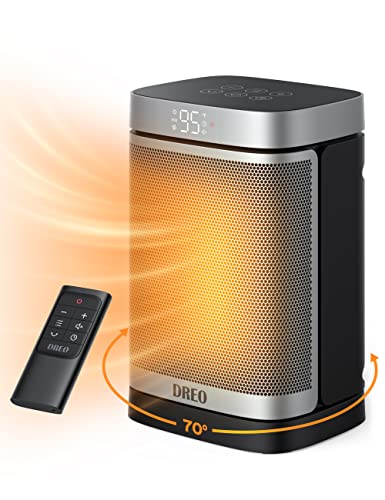
This second Dreo model emphasizes rapid warmth with Hyperamics technology and a 1500W output. The Shield360° safety system provides multiple layers of protection, including tip-over and overheat safeguards, along with a flame-retardant UL94 V-0 rated shell. An ECO mode automatically reduces heat to conserve energy, a practical feature for RV owners who want to maintain warmth without draining batteries or generator fuel. The digital thermostat supports precise control from 41 to 95°F in 1°F increments, allowing tailored comfort for different RV zones such as living areas, cabins, or bedrooms.
Designed for spaces where people may sit or work near flooring, the unit’s compact footprint integrates easily with desks or nightstands. The overall safety emphasis makes it suitable for multi-use RV environments where children or pets might be present, provided the heater is used according to manufacturer guidelines and placed on stable surfaces away from moisture or water exposure.
Mr. Heater MH9BXRV Buddy Grey Indoor-Safe
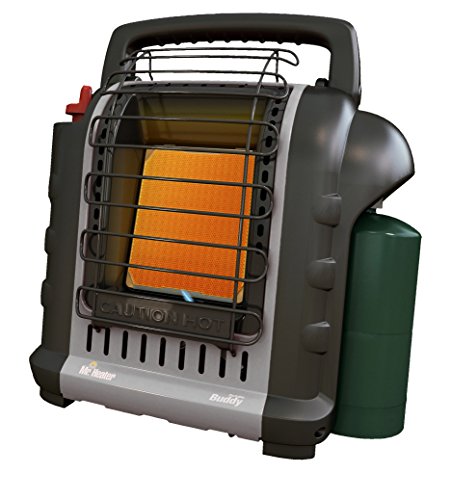
The Mr. Heater MH9BXRV Buddy is a radiant heater rated for spaces up to about 225 square feet, aligning with midsize RV interiors or enclosed cabins. It offers a practical heat range and is approved for indoor/outdoor use when used within appropriate guidelines. A key safety feature is auto shut-off if tipped over, if the pilot light goes out, or if low oxygen is detected, which helps prevent gas-related hazards in mobile environments. This unit can supplement primary heating when electricity is limited, but installation and venting requirements should follow manufacturer instructions to ensure safe operation in RVs.
While convenient, propane heaters require good ventilation and careful monitoring for fuel use and exhaust byproducts. Users should implement proper carbon monoxide detectors and follow travel guidelines to stay compliant with campgrounds and vehicle manuals. For users prioritizing safety in tight spaces, pairing a propane heater with a CO detector and a battery-backed thermostat can offer a balanced heating approach during travels.
Buying Guide: Key Purchase Considerations For RV Heating
- Safety mechanisms: Look for tip-over and overheat protection, ETL or UL certifications, flame-retardant materials, and shielded electrical components. A tilt sensor and automatic shut-off are essential in RV environments where movement is common.
- Heat type and distribution: Ceramic PTC heaters warm quickly and distribute heat evenly with oscillation, while radiant or convection types suit different RV layouts. Consider models with adjustable airflow or fans to balance warmth and noise.
- Thermostat precision: A digital thermostat with small increments (1°F steps) allows precise comfort settings, helping conserve energy on generators or when using shore power.
- Energy efficiency: ECO or energy-saving modes reduce consumption, which is critical for RV users relying on limited power. Evaluate models that ramp heat based on ambient temperature.
- Physical footprint: Space in RVs is limited. Low-profile, wall-mounted, or compact freestanding units maximize usable space and reduce clutter risk.
- Ventilation and safety with fuel-based options: If selecting propane or dual-fuel heaters, ensure proper ventilation, CO detectors, and adherence to RV manufacturer guidelines and campground regulations.
- Portability vs. permanence: Portable units are ideal for temporary stays or bunk areas; wall-mounted or fixed units suit permanent sections of the RV interior and reduce trip hazards.
- Maintenance and durability: Look for corrosion-resistant housings and simple maintenance routines. Durable casings help withstand travel-induced vibrations and temperature swings.
- Noise levels: Venturing to quiet operation improves comfort in sleeping areas. Check decibel ratings or user reviews for real-world performance.
Choosing the safest space heater for an RV involves balancing safety features, space constraints, and energy availability. The models listed above emphasize protective design, precise temperature control, and compact form factors tailored to mobile living. Always adhere to RV ventilation guidelines, use detectors for smoke and CO, and follow manufacturer instructions to maintain safe operation during travel.