When modern van life calls for cooling on the go, a compact air conditioner that fits a van or RV becomes essential. This guide highlights five compact options designed for tight spaces, portability, and off‑grid or vehicle‑powered use. Each product below includes key features to help you compare cooling power, energy use, and installation needs for a van environment. Whether you’re parked in a lot or parked off‑grid, these units are chosen for space efficiency and practicality.
Summary of chosen products:
| Product | Brand | Type | Key Benefit |
|---|---|---|---|
| ZAFRO Portable Air Conditioners, 10000 BTU | ZAFRO | Portable AC | Three modes; remote control; timer; wheels for mobility |
| Portable Air Conditioners, Evaporative Cooler | Kaniapu | Evaporative Cooler | Energy‑efficient personal cooling; USB powered |
| 12V RV Air Conditioner, 10000 BTU | Udekoo | 12V DC A/C | Battery‑powered option; fast cooling |
| OutEquip Pro 12V RV A/C, 10000 BTU | outequip | 12V DC A/C | Off‑grid capable; durable build |
| Aspligo 12V RV Rooftop A/C, 8000 BTU | Aspligo | Rooftop A/C | Slim profile; remote control; fast cooling |
ZAFRO 10000 BTU Portable Air Conditioner

The ZAFRO unit delivers ASHRAE 10000 BTU cooling capacity (SACC 6000 BTU), useful for spaces up to 450 square feet. While designed as a room cooler, its three operating modes—cooling, dehumidifying, and fan—offer flexibility for a van setup. Two adjustable fan speeds help tailor comfort, and the temperature range from 62°F to 86°F lets you set a precise cabin temperature. A 24‑hour timer adds energy savings and convenience, and the included remote control plus LED display simplify operation from the driver’s seat or bed. Moving between rooms is made easy by casters and side handles.
Note: While powerful, the unit’s size and airflow may be more than what some compact vans require if you strictly need a “small van” footprint. It’s ideal for larger vans or if you’re integrating a power source with ample capacity. The sleep mode reduces energy use and noise for overnight comfort, with an operating noise at or below 53 decibels.
Kaniapu Evaporative Portable Air Conditioner

This evaporative cooler uses a Freon‑free, eco‑friendly approach and USB power, making it attractive for off‑grid van use. It emphasizes energy efficiency, claiming low energy consumption comparable to a light bulb, which helps maintain battery life in a van. The unit includes a large water tank and a long runtime—up to several hours per refill of water—so you can enjoy cooling without frequent recharges. It operates with low noise (less than 45 dB), suitable for sleeping or working inside a small camper. A key feature is its portability and compact design for easy room‑to‑room transfer.
Limitations to consider: evaporative cooling works best in dry climates and may deliver less cooling power in humid environments. It’s more of a personal cooling device rather than a full “air conditioner,” but it can be a valuable supplementary option in a van where space and power are tight.
12V RV Air Conditioner, Udekoo 10000 BTU

The Udekoo 12V DC A/C unit provides 10,000 BTU of cooling for RVs and vans, with the advantage of battery power for off‑grid use. It’s designed for quick cooling, enabling your vehicle or camping space to reach comfortable temperatures in relatively short time. The unit emphasizes a robust build suitable for transportation and rough conditions, including weather resistance with UV‑stabilized materials and a durable exterior. A low voltage protection feature adds safety when connected to a vehicle battery arrangement.
Practical notes: compact installation is necessary for many vans, particularly rooftop or cabinet mounting. Battery capacity and power management are critical if you plan to run off‑grid, so pairing with an appropriate auxiliary battery or solar setup is recommended for extended off‑grid periods.
OutEquip Pro 12V RV A/C, 10000 BTU

The OutEquip Pro model offers 10,000 BTU cooling with a 12V DC power setup, designed for off‑grid use on vehicles such as vans. It highlights battery compatibility to provide several hours of cooling when parked, depending on battery size. The design focuses on durability for travel—an essential factor for van life where components face road vibrations and outdoor exposure. This unit, like others in the 12V category, benefits from a solid installation framework and a power plan that aligns with the vehicle’s electrical system.
Key considerations include ensuring adequate cabinet or roof clearance, confirming compatible in‑cab wiring, and matching to a battery bank that can sustain the unit during nights or long waits without external power sources.
Midea 5,000 BTU EasyCool Window A/C
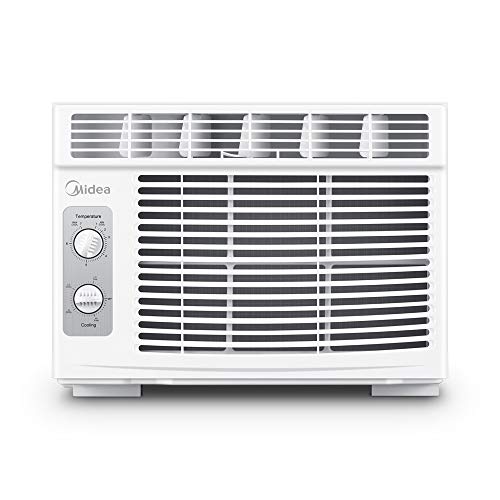
This compact window unit is designed for small spaces up to 150 square feet, with energy efficiency and straightforward mechanical controls. Although primarily intended for fixed installation in a wall opening, it offers a reference point for the cooling needs of a small van interior when space or mounting options are available. It includes a reusable filter and multiple speed settings, and it is quieter than many larger units. For van use, mounting considerations and window compatibility are essential, along with alignment to the vehicle’s electrical system for steady operation.
Rooftop A/C For RVs: Hiberry 10000 BTU

The Hiberry rooftop A/C offers 10,000 BTU cooling with heating capabilities and a quiet operation profile, making it suitable for vans and motorhomes that require year‑round comfort. Its energy‑efficient design aims to reduce power draw, a critical factor for van electrical systems. The unit is designed for roof installation, with specified dimensions to fit common skylight openings. Installation and roof compatibility should be evaluated in advance, along with ensuring proper sealing and ventilation to prevent leaks and optimize cooling efficiency.
Buying Guide: Key Purchase Considerations For Van Cooling
- Power source compatibility: Determine whether the unit will run primarily on a vehicle battery, a solar setup, or shore power. 12V DC options are common for off‑grid vans, while portable ACs often require a generator or AC inverter.
- Cooling capacity and space fit: Van interiors vary in size; match BTU ratings to the usable space. Over‑cooling can waste power, while under‑cooling may leave the cabin uncomfortable.
- Installation footprint: Roof‑top units save interior space but require roof access and sealing. Portable and window units need stable placement and clearance for exhaust and air intake.
- Noise and comfort: Look for units with sleep modes and low dB operation to ensure comfortable rest during overnight use.
- Maintenance and filters: Reusable filters, ease of cleaning, and filter availability affect long‑term usability in a van environment.
- Durability and weather resistance: Vans experience varying weather; units with UV‑stabilized housings and durable components fare better on the road.
- Energy efficiency features: Timers, auto shutoff, and eco modes help conserve precious power in off‑grid setups.
- Installation flexibility: Consider whether you plan to move the unit between a bed, front cabin, or cargo area, and whether you’ll require quick detachment for travel or parking.
- Climatic considerations: Evaporative coolers perform best in dry climates; consider humidity when choosing between a full AC or a personal cooling alternative.
- Warranty and support: Check manufacturer warranties and availability of service centers for mobile use scenarios.
In sum, the best small air conditioner for a van balances cooling needs with power availability, installation feasibility, and reliability for travel. The five products above cover portable, 12V, and rooftop configurations to suit a range of van layouts and climate conditions. Always assess your van’s electrical system, available space, and climate to choose the most practical option.