Finding a compact cooling solution for an RV means balancing size, power needs, and cooling efficiency. Below are five compact options that fit tight spaces—from rooftop 12V units to small window and portable designs—each with practical features for travel living. This guide highlights what to consider when choosing an RV-friendly AC and how these units stack up for mobility, power, and comfort.
| Product | Brand | Key Feature | Type |
|---|---|---|---|
| Midea 5,000 BTU EasyCool | Midea | Window unit; 150 sq ft cooling; energy efficient | Window AC |
| RV Air Conditioner, 12V Rooftop | outequip | 10,000 BTU cooling; built for RVs; heater included | Rooftop 12V |
| Portable Air Conditioner, 3400 BTU | WISHILO | Tent/RV portable; compact; remote | Portable |
| Treeligo 12V RV A/C | Treeligo | 7900 BTU cooling; easy install | Rooftop Non-Ducted |
| Amazon Basics 5000-BTU | Amazon Basics | Window unit; basic 150 sq ft cooling; washable filter | Window AC |
Midea 5,000 BTU EasyCool Window AC
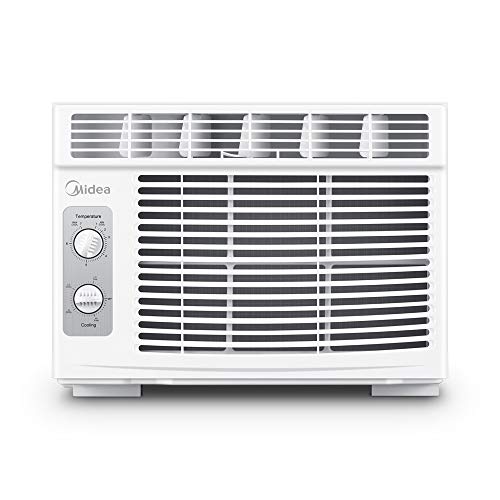
Midea’s 5,000 BTU EasyCool is designed for smaller spaces up to 150 square feet. It offers 7 temperature settings, 2 cooling speeds, 2 fan speeds, and 2-way air direction for flexible cooling. The unit uses R410A refrigerant and has a CEER energy efficiency rating of 11.0, helping reduce operating costs. Its mechanical controls are straightforward, and the removable, reusable filter simplifies maintenance. Ideal for compact RV bedrooms or small living areas that require steady, quiet cooling.
RV Air Conditioner, 12V Rooftop (B0DWF6WXVW)

Engineered for RV living, this 12V rooftop unit delivers around 10,000 BTU of cooling with an integrated 4,500 BTU heater for mild climates. The design emphasizes durability with UV-stabilized materials and weather-resistant components. Quick cooling (and heating) within a compact roof-mounted package makes it suitable for mid-sized RVs, vans, or campers where space and power are at a premium. Note that heater availability adds versatility for shoulder seasons, though it should be planned as supplementary warmth rather than primary heat in extreme cold.
Portable Air Conditioner, 3400 BTU (WISHILO)

This compact 3400 BTU portable unit is ideal for tents, small RVs, or camper vans. It cools a space of roughly 64–86 square feet and includes a built-in Panasonic compressor for efficient cooling with a lightweight frame. It offers a turbo mode to rapidly drop temperatures and a broad adjustable range from 60°F to 88°F. It is best used with adequate ventilation since it relies on external air exchange to expel warm air. The unit emphasizes portability and straightforward operation for mobile living.
Treeligo 12V RV Air Conditioner
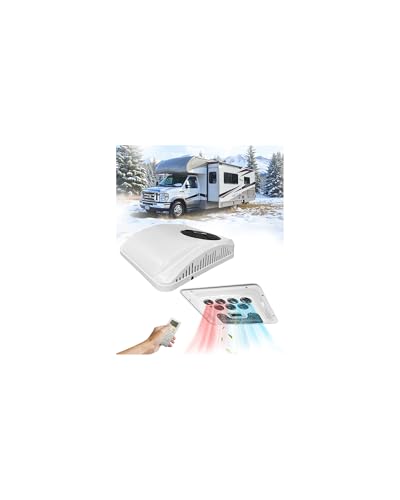
Treeligo offers a 12V rooftop unit with a 7900 BTU cooling capacity and a 3000 BTU heating function, designed for parked RV comfort throughout the year. It is a roof-mounted solution that fits a range of standard skylight configurations, requiring a relatively straightforward installation. The 12V operation aligns with typical RV electrical systems, reducing generator load during camping trips. The unit focuses on year-round comfort with simple, robust performance for smaller to mid-sized RV setups.
Amazon Basics 5000-BTU Window AC

Amazon Basics delivers a 5000 BTU window unit suitable for RV living spaces up to 150 square feet. It offers two modes (cool and fan) along with a washable filter for maintenance. With 7 temperature settings and 2-speed cooling/fan options, users can tailor comfort for compact bedrooms or workspaces in an RV. The included adjustable window kit supports flexible installation, making it a practical option for temporary setups and smaller interiors.
Buying Guide: Key Purchase Considerations For RV Cooling
Choosing the right RV air conditioner involves balancing energy use, space, and climate needs. Consider these aspects to compare units effectively:
- Power source and consumption: Roof-mounted 12V units rely on the vehicle’s battery and alternator, while window and portable units depend on shore power or generators. Evaluate your typical camping setup and power availability.
- Space and installation: Roof-mounted units save interior space but require roof access and installation. Window units offer straightforward setup but consume interior space. Portable models are versatile but may need ventilation and external exhaust paths.
- Cooling capacity vs. space: Match BTU to the area you need to cool. RVs vary widely; oversized units waste energy, while undersized units struggle in heat.
- Durability and weather resistance: Outdoor-facing components should resist dust, moisture, and temperature swings. Look for UV-stable housings and robust seals for rooftop models.
- Maintenance: Washable or reusable filters simplify upkeep. Consider units with simple control interfaces and clear instruction sets for on-the-road use.
- Heater and climate versatility: Some RV units include integrated heating, which can extend usable months but adds complexity and energy use. Assess whether heating is a priority for your travel season.
- Ventilation and moisture control: Vapors and humidity levels vary by climate. Evaporative or dehumidifying features can complement cooling in dry or humid environments.
Bottom line: Select a unit whose power profile, installation requirements, and cooling capacity align with your RV size, typical travel conditions, and available electrical resources. For frequent dry climates, a portable or evaporative option might complement a traditional AC. In colder seasons, a low-power heating function on a roof-mounted unit can extend comfort without excessive energy use.