RVers crave compact cooling that fits in tight spaces without sacrificing performance. This guide highlights select small portable air conditioners suitable for RVs, tents, and other compact setups. Each model is evaluated for size, cooling reach, energy use, and ease of setup so you can compare quickly and choose confidently.
Overview of chosen products
| Product | Brand | Approximate Size | Cooling Notes |
|---|---|---|---|
| Portable Air Conditioner, 3400 BTU/1000W Compact AC Unit | WISHILO | 22.4 × 11.2 × 13.8 in; 33 lbs | Cools 64–86 sq ft; fast cold air; built-in compressor |
| Portable Evaporative Air Cooler | Verminget | Compact with 4 speeds | Evaporative cooling; water tank; portable |
| Portable Air Conditioner, 14Lbs Tent Unit | EnjoyCool | Lightweight; 14 lbs | Ideal for camping tents and small spaces |
| COOLECH 4-IN-1 Windowless Air Cooler | COOLECH | Compact unit with water tank | 4-in-1: fan, humidifier, cooler, timer |
| Kaniapu Portable AC with USB Power | Kaniapu | Ultra-portable desktop size | USB-powered; small form factor; multi-speed |
WISHILO Portable AC for Tents and RVs

The WISHILO unit emphasizes rapid cooling in a compact shell. It starts delivering cold air within minutes and relies on a built-in Panasonic compressor for efficient performance. Suitability spans 64–86 square feet, making it apt for a two-person RV setup or a small tent. In Turbo Mode, the temperature can drop by about 18°F (10°C) within a quarter hour, helping you quickly reach comfort after setup. Temperature control ranges from 60°F to 88°F (16°C–30°C). It requires ventilation to expel hot air but remains a compact, sturdy option at 22.4 × 11.2 × 13.8 inches and 33 pounds. The vendor highlights U.S.-based shipping, a 1-year warranty, spare parts stocked locally, and a support network for quick help. The device also claims an advanced cooling and airflow system delivering air up to 10 ft from the unit, which expands usable cooling space beyond the immediate footprint.
Key considerations: For RVs, ensure your venting arrangement is compatible with the unit’s exhaust needs. The built-in compressor helps performance in tight spaces, but you’ll want adequate airflow paths to maintain efficiency. The 33-pound weight remains manageable for RV storage, but plan for lifting if you’re mounting or storing in a tight cupboard.
Verminget Portable Evaporative Cooler
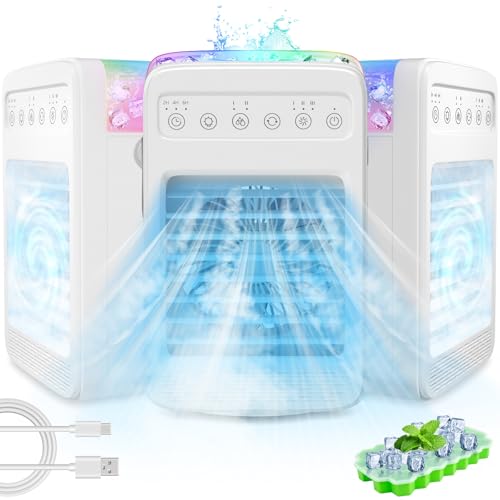
The Verminget evaporative cooler blends multiple functions into a portable package. Marketed as a 4-in-1 device, it functions as a desktop cooling fan, mini air conditioner, humidifier, and night-light. A larger water tank supports extended humidification up to about eight hours, while ice cubes can boost the cooling effect for rapid relief on hot days. Its 4-speed options and 2 mist levels adapt to varying room conditions. The device is positioned as a flexible option for rooms, offices, cars, RVs, and small campers where access to traditional AC might be limited. The design emphasizes quick cooling onset and an easy, portable footprint.
Key considerations: Evaporative coolers depend on ambient humidity for efficiency; performance can degrade in humid climates. They also require a water source and may need proper ventilation to avoid accumulating moisture. For RV use, consider whether the unit’s airflow reach and water tank size fit your camping layout.
EnjoyCool Camping Air Conditioner
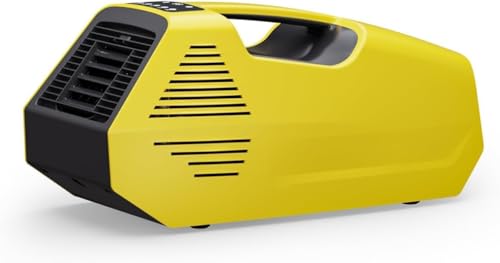
The EnjoyCool unit is described as a compact tent-friendly cooling device with a low-power footprint. It delivers 2380 BTU of cooling in spaces up to about 43 square feet, which aligns well with smaller RV cabins or tent interiors. With a 14.3-pound weight, it is notably portable, and the built-in handle promotes easy relocation. It supports several operating modes and is designed for simple setup, especially when you want to minimize electrical load during camping trips. The emphasis is on a balance between cooling capability and portability, targeting RVs, tents, and small vehicles.
Key considerations: For RVs, confirm airflow directions and ventilation needs. The cooling capacity is best suited for tight spaces; for larger RV interiors, you may need additional cooling strategy or supplementary fans. Check power sources and consider whether USB-C or standard outlets are available where you intend to use it.
COOLECH 4-IN-1 Windowless Cooler

The COOLECH 4-in-1 windowless cooler positions itself as a versatile, windowless option ideal for dry climates. It combines a fan, humidifier, and air cooler with a waterless alert system and a 12-hour timer. The 4-speed, 4-mode design provides customization for different environments, including RV interiors, bedrooms, or small living spaces. The windowless design can simplify installation in RVs that lack traditional window openings for window kits. The unit also features LED touch controls and a waterless alert system to prevent running the device when water is low.
Key considerations: This model is best for dry, warm environments where evaporative cooling can be effective. It may require more airflow management in larger RV layouts. Review the water tank capacity and timer settings to optimize for overnight use or extended camping sessions.
Kaniapu USB Portable Air Conditioner

The Kaniapu model emphasizes ultra-portability with USB-powered operation, making it a practical companion for RV enthusiasts who want to add a personal cooling option without relying on high-power outlets. It provides multiple speeds and is positioned as a personal cooling device suitable for desks, beds, or compact RV nooks. The emphasis is on minimal energy use and easy movement, ideal for travelers who want flexible, low-profile cooling assistance in small cabins or sleeping areas.
Key considerations: USB-powered units will have limited cooling capacity compared to full-size portable ACs, so plan for this as a supplementary rather than primary cooling solution. Ensure you have the appropriate USB power source in your RV or campsite setup and verify compatibility with your devices.
Buying Guide: Key Purchase Considerations for Small RV Air Conditioners
- Space and weight: Measure your RV’s allocated space and compare product dimensions and weights. Compact units reduce storage friction but may trade off cooling power.
- Cooling capacity vs. space: Match BTU or cooling capability to your space. Tent-sized spots may favor units around 2,000–8,000 BTU equivalent, depending on insulation and occupancy.
- Ventilation needs: Many portable ACs require venting to the outside. If you have limited vent options in your RV, consider windowless or evaporative models and plan airflow paths accordingly.
- Power considerations: RV hookups vary. Some units accept standard outlets; others rely on USB or low-wattage operation. Evaluate available electrical capacity and generator usage if off-grid.
- Three-in-one or multi-mode devices: 3-in-1 or 4-in-1 devices offer cooling, dehumidification, and lighting or humidification, which can be advantageous in variable climates.
- Humidity and climate: Evaporative coolers excel in dry environments but underperform in high humidity. In humid regions, a traditional or compressor-based portable AC may be preferable.
- Noise and comfort: Look for decibel ratings and user reports on quiet operation, especially for bedrooms and sleeping areas inside RVs.
- Installation and maintenance: Check for included window kits, hoses, and water tanks. Consider ease of cleaning, filter access, and availability of spare parts in the U.S.
- Warranty and service: A local warranty and readily available support can be important for RV users who are traveling or living on the road.
- Energy efficiency: Compare energy consumption and runtime options, notably for extended camping trips where power resource management matters.
Choosing the best small portable air conditioner for an RV involves balancing space constraints, climate, and power resources. For tight bunk areas, look for compact dimensions and light weight without sacrificing essential features such as rapid cooling or reliable venting. In drier climates or in tents, evaporative options can provide effective cooling with modest energy use. For those requiring flexible setups, multi-mode units can offer a combination of cooling and humidity control. Always verify venting compatibility, power accessibility, and the intended use environment to ensure a comfortable and efficient RV experience.