Choosing a smart thermostat that adapts to zoned heating and cooling can dramatically improve comfort while trimming energy use. The following guide reviews five top options that support multi-zone setups, compatibility across major voice assistants, and remote control features. Each product listing includes key capabilities to help you compare performance and ease of installation for homes with separate temperature zones.
| Product | Key Benefit | Voice Assistants | Energy Savings | Compatibility Notes |
|---|---|---|---|---|
| Meross Smart Thermostat | Solid zoning-friendly features; requires C-wire | Alexa, Google Assistant, Apple Home | Energy saving scheduling | 2.4 GHz Wi-Fi; needs C-wire |
| Sensi Smart Thermostat | Easy DIY install; privacy centered | Alexa | Energy savings through scheduling and reports | Works with most HVAC setups; often doesn’t require C-wire |
| ecobee Smart Thermostat Essential | Best balance of features and price | Siri, Alexa, Google Assistant | Up to ~23% annual savings | Broad compatibility; online checker available |
| Amazon Smart Thermostat | Simple upgrade with rebates and Echo integration | Alexa | Supports energy-saving routines | Requires C-wire |
| Google Nest Thermostat | Strong multi-zone support with learning options | Google Assistant | Energy-saving features via scheduling | May need C-wire for some systems |
These options span a range of price points and installation complexities while addressing zoned systems. The right pick depends on your existing HVAC setup, preferred ecosystem, and whether you want advanced occupancy sensing, air quality features, or extensive compatibility with other smart devices.
Meross Smart Thermostat For Home
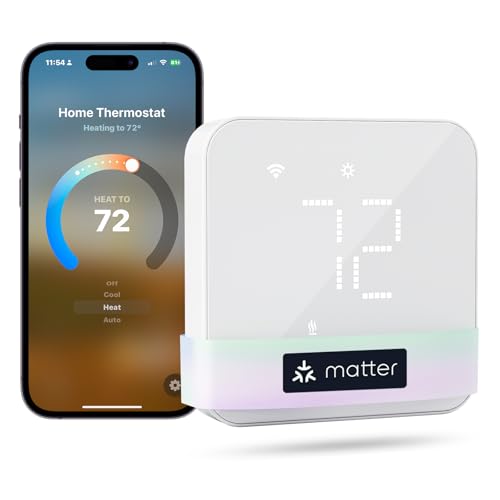
The Meross smart thermostat is designed for wide compatibility with common HVAC systems, including heating and cooling setups and heat pumps. It requires a C-wire for optimal operation and supports 2.4 GHz Wi-Fi networks. Its scheduling features enable 24/7 programming, helping you tailor comfort and energy use across zones. Before purchasing, verify that your system is compatible and note that some setups may require a C-wire adapter if the home lacks a dedicated common wire. Meross offers user support during standard hours for installation and troubleshooting.
Sensi Smart Thermostat
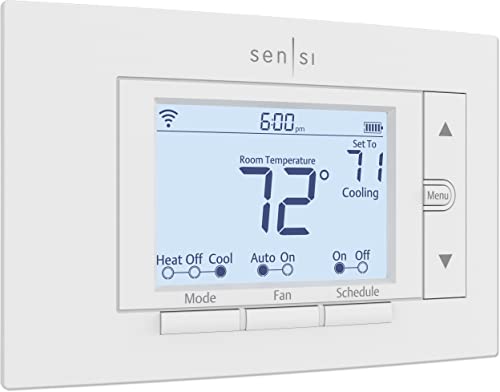
The Sensi Smart Thermostat emphasizes privacy and straightforward installation. It is designed for DIY setup and works with heating and cooling systems commonly found in homes. A C-wire is not always required, but in some configurations it may be necessary. The thermostat supports flexible scheduling, remote access, and usage reports, contributing to potential energy savings of roughly 23% when used with an ENERGY STAR certified device like this model. It’s a reliable option for users who want a balance of simplicity and control.
Ecobee Smart Thermostat Essential

The Ecobee Essential is an ENERGY STAR certified programmable Wi-Fi thermostat that works with Siri, Alexa, and Google Assistant. It offers energy-saving features that can reduce heating and cooling costs by up to 23%, adapting automatically to your schedule and occupancy. Compatibility checks via the Ecobee checker help confirm whether your HVAC system is supported. Users can adjust temperatures through the color touchscreen or the Ecobee app, and software updates are provided to ensure long-term performance and access to new capabilities.
Sensi Lite Smart Thermostat

The Sensi Lite model focuses on essential smart features with easy DIY installation and broad compatibility for most homes. A C-wire is sometimes required for heat pump and heat/cool only systems, though many setups work without it. ENERGY STAR certification indicates energy-saving capabilities such as flexible scheduling, remote access, and usage reports. This variant offers a streamlined experience for users who want straightforward controls and privacy-friendly operation.
Amazon Smart Thermostat

The Amazon Smart Thermostat provides a straightforward upgrade path for existing systems and integrates neatly with Echo devices and Ring for broader home automation. It supports zone-based control through compatible setups and can respond to temperature changes via voice or the app. While it promises energy savings through intelligent routines, potential rebates and energy program incentives may be offered after purchase. This model focuses on easy adoption for households already using Amazon devices.
Ecobee Smart Thermostat Premium
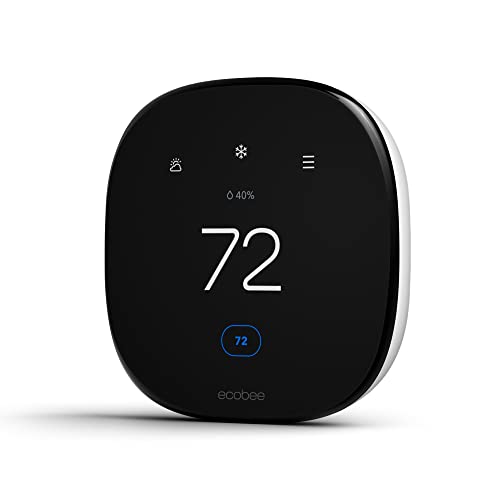
The Ecobee Premium model advances with a built-in air quality monitor and a SmartSensor included to optimize comfort in rooms that matter most. It offers occupancy sensing, a large display, and integration with Siri, Alexa, and Google Assistant. Savings estimates reach up to 26% annually, especially when the system is configured to adjust automatically during absences. The device emphasizes premium design, robust sensing, and reliable performance across multi-room zones, making it a strong option for larger homes with several living areas.
Buying Guide: Key Purchase Considerations For Zoned Systems
- System compatibility: Verify your HVAC type (gas, electric, heat pump, or dual-fuel) and ensure the thermostat supports zoning or multi-zone configurations. Use vendor compatibility tools when available.
- C-wire requirements: Some thermostats rely on a common wire for consistent power. Check if your current wiring supports C-wire, and consider adapters if needed.
- Smart ecosystem and integrations: Choose a model that aligns with your preferred voice assistants and smart home platforms (Alexa, Google Assistant, Apple HomeKit, etc.).
- Occupancy and scheduling: Look for adaptive scheduling, geofencing, and occupancy sensing features. These can enhance comfort and reduce energy waste in zones that aren’t in use.
- Air quality and sensors: Some options include built-in air quality monitoring or support for room sensors to manage hot or cold spots across zones.
- Display and usability: A responsive touchscreen, app control, and straightforward setup help ensure reliable operation across multiple zones and households with varying tech comfort levels.
- Security and privacy: Consider brands that emphasize data protection and restrict data sharing with third parties, especially if your home contains sensitive information.
- Energy savings claims: Compare independent energy-saving estimates (often up to 20–26% annually) and assess real-world benefits based on your climate, insulation, and usage patterns.
When evaluating zoned systems, it helps to map your home’s zones and identify preferred control points. Some homes benefit from room sensors or smart zoning accessories that pair with a core thermostat to optimize comfort by room, not just by whole-house temperature. Always verify compatibility with your existing HVAC equipment and consider professional installation if wiring or zoning controls are complex. The right thermostat can deliver consistent comfort, simplify energy management, and integrate smoothly with your current smart home setup.