Choosing the right thermostat for your air conditioner helps optimize comfort and energy savings. The following five models cover a range of needs—from learning and remote control to simple non-programmable options—ensuring compatibility with most conventional single-stage cooling systems. Each option provides clear operation, reliable performance, and straightforward installation notes to help you decide quickly.
| Product | Brand | Key Point |
|---|---|---|
| Nest Learning Thermostat | Google Nest | Auto-schedule, learns usage, remote control |
| Nest Thermostat | Programmable Wifi thermostat, energy features | |
| Honeywell Home RTH6580WF | Honeywell Home | 7-day Wi-Fi programmable, broad compatibility |
| Sensi Smart Thermostat | Emerson | Easy DIY install, energy savings |
| Heagstat Non-Programmable Thermostat | Heagstat | Simple 1H/1C operation, clear display |
Nest Learning Thermostat
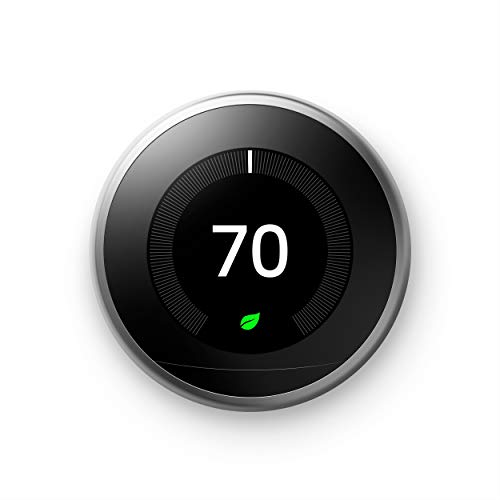
The Nest Learning Thermostat offers Auto-Schedule technology, so it learns your routines and programs itself. This model supports remote control via the Nest app, allowing you to adjust temperatures from anywhere. It is designed to work with a range of HVAC configurations and includes compatibility indicators to help ensure proper pairing with your air conditioning system. Nest supports Home/Away Assist to prevent heating or cooling an empty home, contributing to energy efficiency. For compatibility, users may verify system details before purchasing using the Nest support resources.
Sensi Smart Thermostat
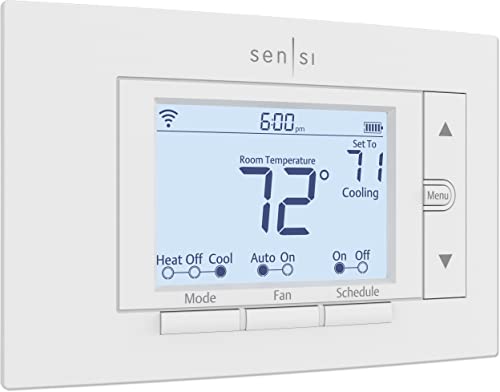
The Sensi Smart Thermostat emphasizes privacy and easy DIY installation. It supports connectivity over Wi-Fi and is designed to work with most common HVAC equipment. An ENERGY STAR certification highlights its potential for energy savings, with features like flexible scheduling, remote access, and usage reports. The thermostat aims to minimize the need for a traditional C-wire in many installations, simplifying setup for typical homes with conventional single-stage systems.
Honeywell Home RTH6580WF

The Honeywell Home RTH6580WF is a 7-day Wi-Fi programmable thermostat. Its user-friendly interface supports scheduling to suit daily routines and season changes. The device is compatible with many conventional HVAC systems, and its smart home integration can work with common voice assistants. It provides remote control via a dedicated app, enabling temperature adjustments when you’re away from home. Installation is generally straightforward for DIY enthusiasts with basic wiring knowledge.
Suuwer Non-Programmable Thermostat

The Suuwer thermostat is designed for single-stage systems (1 heat/1 cool) in conventional heating and cooling setups. It includes a blue backlight display for easy visibility in dim environments. This model is appropriate for homeowners who want a simple, non-programmable control with clear operation. Installation notes emphasize verifying wire compatibility (2–5 wires) to avoid compatibility issues with older or nonstandard wiring configurations.
Aowel Non Programmable Thermostat

The Aowel AW701 is a non-programmable thermostat supporting 1H/1C configurations for conventional heating and cooling. It is suitable for straightforward setups with up to one heat and one cool. The product page highlights compatibility with conventional single-stage systems while noting limitations such as non-support for multistage heating, heat pump configurations, and some specialized HVAC equipment. This model is a practical option for users seeking simple, reliable temperature control without scheduling features.
Buying Guide
- System compatibility: Confirm whether your HVAC is single-stage or multi-stage, and whether it is a conventional system or heat pump. Some thermostats explicitly do not support multistage or heat pump configurations.
- Wiring requirements: Check the existing wiring (C-wire availability, number of wires). Some models work without a C-wire, but compatibility varies by system.
- Programmable vs. non-programmable: If you want automation and energy savings, consider programmable or smart thermostats. Non-programmable units are often simpler and may suit basic needs.
- Smart features: Evaluate features such as remote control, voice assistant integration, learning capabilities, and energy reports. Consider your privacy preferences and data sharing policies when choosing a smart model.
- Installation difficulty: DIY-friendly options exist, but newer setups may require more careful wiring and potential compatibility checks. Review installation instructions prior to purchase.
- Energy efficiency and certifications: Look for ENERGY STAR labeling where available and compare features that optimize energy use, such as occupancy sensing, adaptive scheduling, and remote monitoring.
- Support and compatibility checkers: Many brands offer online compatibility checkers or support pages to verify fit with your existing system before purchasing.
Notes on installation and usage: Always follow the installation instructions closely. If you are unsure about wiring or compatibility, consult a professional technician to avoid potential damage to your HVAC system or thermostat.