Choosing a thermostat for underfloor heating involves balancing safety, compatibility, and energy savings. The right controller manages both floor and ambient temperatures, supports line-voltage systems, and offers features like GFCI protection, dual sensing, and smart connectivity. Below are five top options chosen for American homes, covering both modern smart controls and reliable basic models. The accompanying buying guide helps you compare core factors to fit your system and budget.
| Product | Brand | Key Features |
|---|---|---|
| Programmable Thermostat for House Radiant Underfloor Heating | BOWSEN | 120/240V, Dual sensing, built-in GFCI |
| SunStat ConnectPlus Touchscreen | SunTouch | 4.3″ touchscreen, Wi-Fi, floor & air sensing |
| SASWELL Programmable Thermostat | SASWELL | 120/240V, 5+2 programming, dual modes |
| 6iE Smart WiFi Thermostat | Warmup | Ultra-thin, SmartGeo, smartphone control |
| Honeywell TH115-AF-GA/U | Honeywell | 7-day programmable, floor sensor, GFCI |
BOWSEN Programmable Thermostat For Underfloor Heating
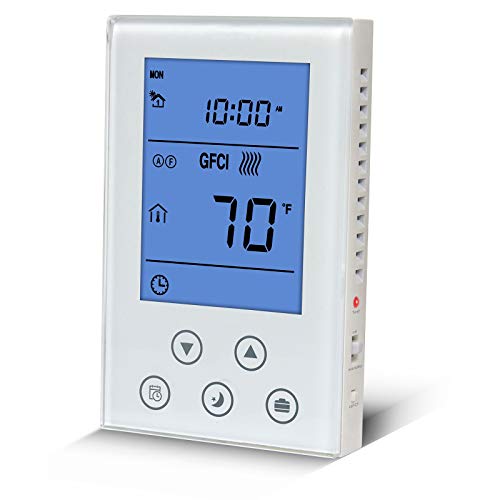
The BOWSEN thermostat supports both 120V and 240V circuits, with a maximum 15A current and up to 3600W at 240V. It includes floor and air sensors for precise temperature control and a built-in GFCI for electrical protection. The device adheres to standard grounding requirements and offers a GFCI test function to verify safety after installation. If the GFCI trips, follow the safety procedure to locate leaks, reset, and re-test using the thermostat’s hidden menu. This model is suitable for radiant floor systems requiring robust safety features and dual-sensing capability.
SunTouch SunStat ConnectPlus

The SunStat ConnectPlus offers a 4.3-inch touchscreen and Wi-Fi connectivity for remote control. It includes floor and air sensing control, a 7-day programmable schedule, and compatibility with voice assistants like Alexa and Google Assistant. Features such as energy monitoring, weather display, and alerts help users manage comfort and efficiency. It is designed for electric floor heating systems and provides remote access via the SunTouch platform, making it a strong choice for users seeking integrated smart-home capabilities.
SASWELL Programmable Thermostat

SASWELL offers 120V/240V compatibility with a 5+2 programmable schedule and a floor protection feature that supports safe operation of various flooring materials. The thermostat includes three control modes—Floor, Room, and Dual—to optimize comfort and energy use. With a dual-mode design, it can manage both floor temperature and ambient air, helping prevent overheating of delicate floor coverings while maintaining room warmth. This model suits homes needing flexible scheduling and enhanced safety features for radiant floors.
Mysa Smart Thermostat Lite
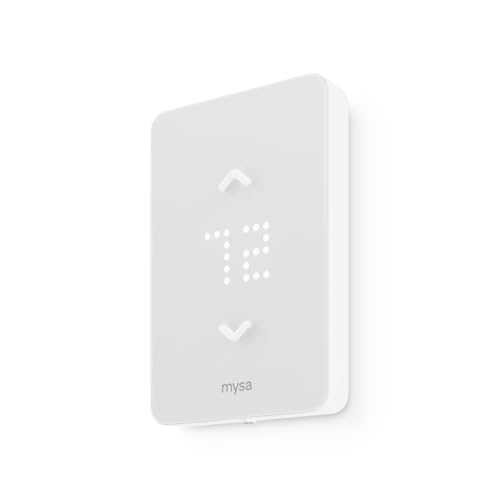
Mysa’s LINE VOLTAGE thermostat is designed for 120V-240V electric baseboards, fan-forced heaters, and similar installations. It emphasizes energy savings with scheduling, remote control, and energy usage reports, all accessible via a free mobile app without subscriptions. It also supports popular smart-home ecosystems, including Apple HomeKit, Alexa, and Google Assistant. This compact, Wi‑Fi-enabled option is ideal for users prioritizing simple installation and app-based control across a connected home.
Honeywell TH115-AF-GA/U

The Honeywell TH115-AF-GA/U line-voltage thermostat provides seven-day programming and includes a floor sensor along with GFCI protection. Designed for radiant floor systems, it is a reliable option for maintaining consistent warmth while protecting against electrical faults. The model is a proven choice for homeowners seeking a durable, straightforward programmable thermostat with essential safety features in a familiar brand package.
Buying Guide: Key Considerations For Underfloor Heating Thermostats
- Voltage and current compatibility: Ensure the thermostat supports your floor heating system’s voltage (typically 120V or 240V) and matches the wattage your layout requires. High-powered mats or cables may demand 240V and higher amperage.
- Safety features: Look for built-in GFCI protection, floor sensors, and safe operation modes. GFCI helps prevent ground faults and electric shocks, while floor sensing reduces the risk of overheating sensitive floors.
- Sensing technology: Dual sensing (air and floor) provides balanced control. Floor sensors improve comfort by maintaining floor temperature, while air sensing helps regulate room temperature and energy use.
- Programmable schedules: A 5+2 or 7-day program allows different settings for weekdays and weekends. Consider a thermostat with intuitive scheduling or smart learning to reduce manual adjustments.
- Smart connectivity: Wi-Fi, app control, and voice assistant compatibility (Alexa/Google Assistant/HomeKit) enable remote management and energy insights. Weigh whether you want ongoing app features or a straightforward non-smart model.
- Floor protection and compatibility: Check floor type support (tile, stone, laminate, carpet) and ensure the device offers floor max settings to protect flooring materials.
- Professional installation guidance: Some models require static wiring or professional wiring. Review installation instructions and any local electrical codes and permits.
- Brand reputation and support: Opt for brands with solid documentation, customer support, and warranty coverage, particularly for safety-critical components like GFCI.
In evaluating options, consider how you prioritize safety features, remote access, and floor-sensing capability. For larger homes with varying occupancy, a smart thermostat that learns schedules and integrates with your home ecosystem can yield the strongest energy savings. For simpler setups or renovations, a robust non-programmable or basic programmable model with GFCI and floor sensing remains highly effective.