Choosing the right thermostat for electric baseboard heaters can improve comfort, energy efficiency, and control. This guide reviews reliable options ranging from basic manual models to advanced smart thermostats that integrate with HomeKit, Alexa, and Google Assistant. Each product below is suitable for 120V–240V baseboard setups and designed to help homeowners manage heating costs without sacrificing warmth.
| Product | Brand | Key Benefit |
|---|---|---|
| Honeywell Home CT410B Manual 4 Wire | Honeywell Home | Reliable manual control for line-voltage systems |
| Mysa Smart Thermostat LITE | Mysa | Wi‑Fi, app control, and home integrations |
| meross Smart Thermostat | meross | Smart features with HomeKit, Alexa, Google |
| Honeywell RLV4305A1000 | Honeywell Home | 5-2 day programmable with precise control |
| Cadet F Series BTF2W | Cadet | Built-in double-pole baseboard compatibility |
Honeywell Home CT410B Manual 4 Wire
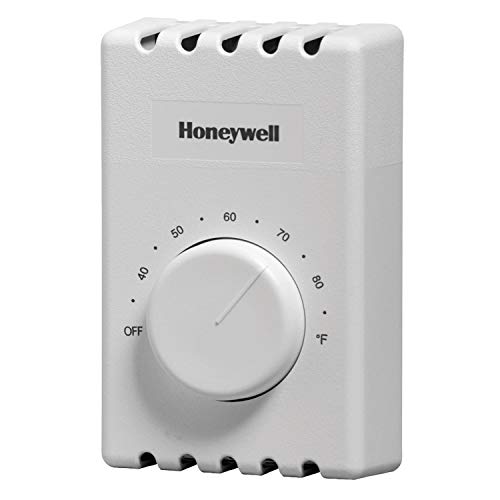
The Honeywell Home CT410B is a non-programmable line-voltage thermostat designed for 120-240 volts. It supports electric baseboards, convectors, and non-inductive fan-forced heaters. Its bimetal temperature sensor provides straightforward operation without smart features. The CT410B is a solid choice for those who want reliable, simple temperature control without wiring complexity. This model emphasizes robust construction and dependable manual adjustments, making it suitable for long-term baseboard installations where automation is not required.
Mysa Smart Thermostat LITE – Line Voltage
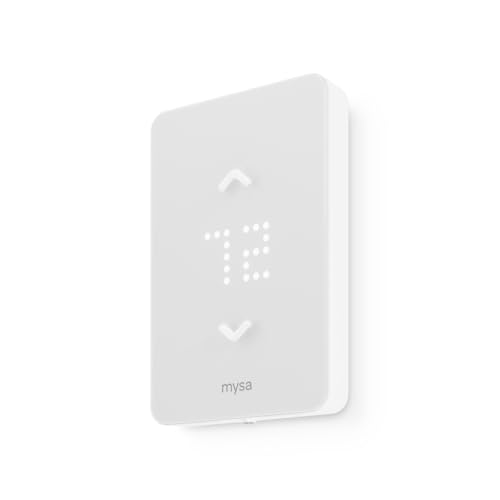
The Mysa Smart Thermostat LITE provides Wi‑Fi connectivity for 120V–240V baseboard heaters, fan-forced heaters, and convectors. It supports custom daily schedules, remote control, and energy insights to help reduce heating costs. The device offers 100% free app access with no subscription fees and integrates with HomeKit, Alexa, and Google, enabling voice control and automation. Its installation is streamlined for line-voltage systems, making it a practical upgrade from basic thermostats for smart homes.
meross Smart Thermostat for Electric Baseboard

The meross Smart Thermostat is designed for high-voltage baseboard systems (120V-240V). It requires at least four wires in the wall box and supports four-wire installation. It works with Apple HomeKit, Alexa, and Google Assistant, enabling hands-free temperature changes and routines. With a maximum load suitable for baseboard heating, this thermostat blends energy savings with broad smart-home compatibility, making it a solid option for tech-forward homes that rely on electric heating.
Honeywell RLV4305A1000 5-2 Day Programmable

The Honeywell RLV4305A1000 offers a 5-2 day programmable schedule for electric baseboards, convectors, and fan-forced heaters. It is praised for accuracy, with a typical tolerance around ±0.27 degrees Fahrenheit, helping to minimize temperature swings. Its TRIAC switching enables silent operation, reducing noise common with older thermostats. This model balances programmable convenience with quiet performance for people who want consistent comfort without manual adjustments.
Cadet F Series BTF2W Baseboard Thermostat

The Cadet F Series BTF2W is a double-pole built-in thermostat designed for Cadet baseboard heaters. It provides a wide temperature range from 45ºF to 80ºF (7ºC to 27ºC) and mounts to the heater ends, reducing wiring needs during installation. It is specifically made for Cadet F series units, offering a straightforward solution for Cadet setups that require precise zone control without extra controls in the wall space. This model emphasizes compatibility and simple mounting for baseboard systems.
Buying Guide: Key Purchase Considerations For Electric Baseboard Heaters
- Voltage range and compatibility: Verify that the thermostat supports 120V–240V line voltage and is compatible with your baseboard configuration (single-pole, double-pole, or 4-wire setups).
- Control type: Choose between manual, programmable, or smart control. Manual models offer reliability and simplicity; programmable models help automate schedules; smart thermostats enable remote control, energy reports, and voice integration.
- Wiring requirements: Some smart thermostats require four wires in the junction box. Confirm your wiring configuration before purchasing.
- Energy savings features: Look for scheduling, occupancy sensing, and energy usage reports. Smart models often provide insights that help reduce heating costs over time.
- Installation effort: Consider how easy the thermostat is to install with your heater type. Some units mount on the end of the baseboard, while others require wall mounting or inline wiring.
- Noise and user experience: Some line-voltage thermostats are known for audible clicking or slow response. If quiet operation is important, review product notes on sound levels or opt for a digital/solid-state model.
- Integrations and ecosystem: If you use a smart home, ensure the thermostat works with your preferred platforms (HomeKit, Alexa, Google, or SmartThings).
- Brand reliability and support: Choose brands with documented warranties and accessible customer support for baseboard applications.
When choosing a thermostat for electric baseboard heaters, it helps to map your heating needs to the features above. For homes that value hands-off control and remote access, smart thermostats provide the most value. For occupants who prioritize simplicity and reliability, a high-quality manual or programmable model can deliver consistent comfort with straightforward operation. The products listed in this guide cover a range of needs while staying compatible with common 120V–240V baseboard systems.