UV air purification in HVAC ducts is a popular approach to reduce microbial growth and improve air quality in homes and small commercial spaces. This article highlights five highly relevant UV-light solutions designed for ducted systems, based on features, ease of installation, and compatibility with common HVAC configurations. Each product section includes a direct Amazon link, a visual, and key specifications to help you compare options.
| Product | Brand | Watts / Bulbs | Notes |
|---|---|---|---|
| REKO Lighting R2000 Air Purifier | REKOLIGHTING | UV-C in duct, 253.7 nm | Whole-house duct installation option |
| Qualirey 26W HVAC UV Light | Qualirey | 26W, 2x 253.7 nm bulbs | Designed for D200/R18/R2000 HVAC lamps; easy install |
| BioShieldUV 72W HVAC UV Light | Mammoth | 72W, 2x 36W bulbs | Low ozone; installation friendly |
| Air Health Haven HVAC UV-C Light | air+health | 16″ UV-C, 253.7 nm | DIY friendly; fast install |
| OdorStop OS72PRO UV System | OdorStop | 2x 16″ 36W UVC bulbs | Energy-saving airflow sensor |
REKO Lighting R2000 Air Purifier In Duct
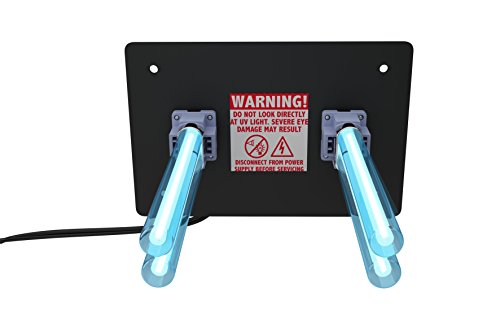
The REKO Lighting R2000 offers a UV-C light system designed for installation directly on your HVAC duct. Bulbs are European-made and emit UV-C at 253.7 nm, helping suppress microbial growth within the ductwork. This unit emphasizes in-duct placement for whole-house treatment, aligning with systems that require centralized disinfection without external units.
Key considerations:
- Direct duct installation targets the air you breathe after it leaves the furnace.
- Bulb wavelength and EU manufacture emphasize quality and effectiveness.
- Compatibility depends on duct size and mounting space.
Qualirey 26W HVAC UV Light

Qualirey’s 26W UV light kit is designed for compatibility with common HVAC UV lamps (D200, R18, R2000 variants) and is intended for in-duct use. It provides a 253.7 nm UVC output to reduce microbial presence and odors in the air stream. The package promotes a straightforward 15-minute installation and a setup that can serve 1-5 ton systems, making it suitable for many family homes.
Key considerations:
- UV-C efficiency at 253.7 nm targets mold and bacteria in air.
- Flexible compatibility with several UV lamp models.
- Short install time supports quick upgrades to existing systems.
BioShieldUV 72W HVAC UV Light

BioShieldUV 72W provides a dual-UV approach with two 36W bulbs designed for permanent installation in furnace or duct systems. It emphasizes a user-friendly indicator light to verify operation and includes an installation template with hardware for a secure, airtight fit. The system is aimed at improving indoor air quality while minimizing ozone by-product exposure and offering safe operation within typical residential ducts.
Key considerations:
- LED or indicator-based status checks simplify maintenance.
- Comprehensive installation package reduces setup complexity.
- Ozone considerations are important for indoor safety; this model notes low ozone exposure.
Air Health Haven 16″ UV-C Light

Air Health Haven offers a 16-inch UV-C light designed for duct integration. The unit claims effective reduction of bacteria, viruses, mold, and fungi as air circulates through the duct system. It emphasizes ease of installation, with a quick setup time and included mounting hardware for metal ducts or duct board surfaces, making it a viable option for DIY upgrades.
Key considerations:
- Longer UV-C length can cover more duct surface area per installation.
- Compatibility with common duct configurations supports DIY installations.
- EPA registration language adds a level of credibility for air-cleaning claims.
OdorStop OS72PRO UV System
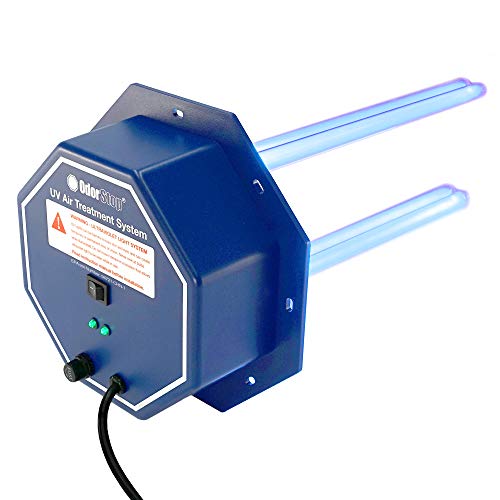
OdorStop OS72PRO combines a robust UV system with an energy-saving airflow sensor. It uses two 16-inch bulbs (36W each) to provide continuous UV-C disinfection when the HVAC system is operating. The unit features LED indicators for bulb and system status, helping with maintenance and ensuring ongoing performance. It is designed for larger duct installations and can address odors by reducing microbial buildup along the air path.
Key considerations:
- Airflow-sensor automation reduces energy use by turning on only when needed.
- Standard 120V power and compact form factor fit typical setups.
- Regular bulb replacement is part of long-term maintenance planning.
Buying Guide: UV Light For HVAC Ducts
When selecting a UV air purifier for an HVAC system, consider the following factors to balance performance, installation practicality, and long-term maintenance:
- System compatibility: Assess duct size, mounting space, and whether the unit is designed for single- or dual-bulb configurations. Some kits are built for 1-5 ton systems, while others target larger or smaller ducts.
- Wavelength and lamp type: Most HVAC UV systems use 253.7 nm UVC bulbs. Verify the bulb type and replacement availability, and confirm that the bulbs are suitable for continuous operation if needed.
- Installation approach: In-duct solutions concentrate treatment within the air stream, while unit-mounted or inline options may be easier to retrofit in certain spaces. Look for installation templates, included hardware, and measurements to avoid surprises.
- Maintenance and monitoring: Indicators or LED status lights simplify maintenance checks. Consider how easy it is to replace bulbs and whether the kit includes templates or templates for airtight seals to maintain duct integrity.
- Ozone considerations: Some UV systems can produce ozone as a by-product. Check the product specifications for ozone emission levels and ensure they meet EPA or local safety standards (prefer models with low or zero ozone).
- Energy use and automation: If a unit has an airflow sensor or automatic on/off, it can save energy by running only when the HVAC system operates. Evaluate the balance between constant disinfection versus energy efficiency.
- Maintenance plan: Bulb life, replacement cost, and ease of access for replacements influence long-term cost and user experience. Some products include two-bulb configurations with longer lifespans.
- Noise and heat: Most UV systems are quiet, but consider any audible ballast or fan interactions if installed near living spaces or equipment closets.
- Certification and safety: Look for products with clear safety guidelines, installation templates, and any independent testing for ozone or UV exposure limits.
In selecting a solution, weigh installation feasibility against expected air quality improvements. For homes with existing ductwork and limited access, a kit with a straightforward installation and clear maintenance steps is preferable. For larger or more complex duct systems, a higher-wulm wattage and a system with automated operation can provide stronger ongoing disinfection. Always follow manufacturer installation instructions and consult a professional if unsure about wiring or mounting requirements.