UV-C lights installed in HVAC systems offer a proactive way to reduce mold, bacteria, and odors circulating through home and commercial ductwork. This guide highlights five reliable UV filter options designed to fit common duct systems, explaining how they work, what to look for, and how to choose the right one for your needs. Each choice emphasizes safety, durability, and compatibility with typical HVAC configurations.
Summary of selected products
| Product | Brand | Power | Format | Key Benefit |
|---|---|---|---|---|
| REKO Lighting R2000 Air Purifier | REKOLIGHTING | 14″ | In-duct UV-C lamp | Easy duct installation and 253.7 nm germicidal output |
| BioShieldUV 72W HVAC UV Light | Mammoth | 72W | Dual bulbs | High-output, permanent-integration design |
| BioShieldUV 18W 24V UV Light | Mammoth | 18W | Magnetic/duct-ready | Flexible mounting for direct HVAC connections |
| AprilAire AUV24V | Aprilaire | 17W | Coil/air handler compatible | Effective coil cleaning, easy retrofits |
| Qualirey 26W HVAC UV Light | Qualirey | 26W | In-duct UV | Compatibility with multiple UV lamp models, 253.7 nm |
REKO Lighting R2000 Air Purifier In Duct UV-C Light
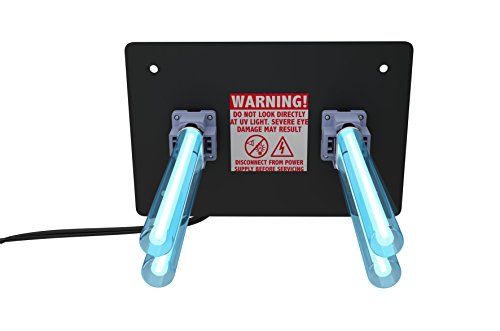
The REKO Lighting R2000 is a 14-inch UV-C lamp designed for duct installation in HVAC systems. It delivers a 253.7 nm germicidal output, a wavelength known for inactivating common airborne microbes. This model emphasizes European bulb construction and direct duct mounting, suitable for retrofits or new builds where inline UV-C lighting is desired. The compact form supports integration with a variety of residential and light commercial duct layouts, helping reduce microbial load and odors as air moves through the system.
BioShieldUV 72W HVAC UV Light With Dual Bulbs

The BioShieldUV 72W kit is designed for permanent installation in residence and small commercial HVAC systems. It employs two 36W bulbs that install within the duct to irradiate air as it passes by the UV lamps. The kit is noted for integrating with furnace ducts and offering a robust 72W total output. It is positioned as a strong option for ongoing air quality improvement in systems where high UV intensity and reliable operation are priorities. Safety and ozone considerations are often highlighted in such kits, with careful evaluation of local regulations recommended.
BioShieldUV 18W 24V UV Light Magnetically Mounted

This 18W UV light uses a magnetic mounting system, designed for quick installation on metal ductwork. It’s compatible with HVAC ballasts and is suited for residential HVAC units, furnaces, and duct-mounted setups where a magnetic, non-invasive installation is preferable. The 18W configuration balances energy use with effective germicidal output, offering a flexible upgrade path for existing systems where magnetic mounting and snap-in ballast connections simplify retrofits.
BioShieldUV HVAC Light In Duct, 4 Bulbs

This four-bulb model from Mammoth provides a higher intensity option for larger ducts or for installations requiring broader coverage within the air stream. It emphasizes an LED indicator for status, an installation-friendly package with templates and mounting hardware, and a compact footprint suitable for more complex duct configurations. With a larger lamp count, it targets higher-volume airflow environments where consistent UV exposure is critical for air quality improvements.
Qualirey 26W HVAC UV Light for Ducts

The Qualirey 26W unit is designed to fit ducts and furnaces, targeting 1-5 ton air systems with a 253.7 nm UVC output. It emphasizes compatibility with common UV lamp models (D200, R18, R2000 family) and highlights straightforward installation steps, including a template-based approach and simple wiring. The packaging typically includes base tubes, mounting components, and the necessary wiring harness for a relatively quick upgrade to UV disinfection in the airflow path.
Buying Guide: Key Considerations For Choosing A UV Filter For HVAC
- System compatibility: Verify duct size, mounting method (in-duct, magnetic, or external), and electrical requirements (24V vs. line voltage). Ensure the UV lamp is compatible with your HVAC model and available space inside the duct or air handler.
- Lamp power and coverage: Higher wattage typically yields greater UV irradiance, but footprint and airflow rates matter. For larger ducts or higher air volumes, consider multi-bulb or higher-watt installations to avoid shadowed zones.
- Wavelength and effectiveness: Most HVAC UV lights emit at 253.7 nm, a standard germicidal wavelength. Confirm the lamp emissions target mold, bacteria, and odors effectively without generating excessive ozone or by-products.
- Ozone considerations and certification: Some UV kits are ozone-free or tested to minimize by-products. Check EPA or CARB certifications if ozone generation is a concern, especially in occupied spaces.
- Durability and maintenance: Look for sealed housings, replaceable bulbs, and clear indicators showing operation status. Easy replacement and accessible components reduce downtime and maintenance effort.
- Installation requirements: Some units require drilling or mounting templates; others use magnetic or external mounting. Plan for wiring, ballast compatibility, and any required transformers.
- Maintenance schedule: UV bulbs lose intensity over time. Track replacement intervals—bulbs often last 8,000 hours or more depending on usage—and keep spare bulbs on hand to maintain efficacy.
- Safety considerations: UV-C exposure can be hazardous to skin and eyes. Ensure the system design prevents direct exposure to occupants and follows manufacturer safety guidelines for shutoffs and shielding.
- Energy and cost implications: While UV lights add minimal ongoing energy use, consider the total cost of ownership including bulbs, accessories, and potential impact on HVAC efficiency through improved coil cleanliness and airflow.
- Installation complexity vs. retrofit needs: For older systems, magnetic or duct-mounted options may be easier to install, while new builds may benefit from integrated, fixed-position UV units.
UV filters for HVAC systems provide a proactive approach to improving indoor air quality by targeting microbial growth and odor-causing compounds within ducts and air handlers. When selecting a unit, assess duct dimensions, mounting options, electrical compatibility, and any local safety regulations. For best results, pair UV treatment with regular filter changes, coil cleaning, and proper HVAC maintenance routines to sustain efficiency and air quality over time.