Choosing the right ventilation components for underground bunkers is essential for safe, breathable air. This guide highlights reliable inline vents, crawlspace fans, and air-admittance kits from trusted brands to help manage sewer gas, moisture, dust, and odors. Each product is evaluated for durability, airflow, installation practicality, and suitability for confined spaces.
| Product | Brand | Key Benefit |
|---|---|---|
| Oatey 39012 1.5 in. NPT ABS In-Line Vent | Oatey | Prevents sewer gas intrusion with negative/positive pressure control |
| HYDRO MASTER 1-1/2 Inch NPT ABS In-Line Vent | HYDRO MASTER | Durable ABS, reduces sewer gas ingress |
| Tjernlund V1 UnderAire Crawlspace Ventilator | Tjernlund | Ventilates damp spaces to reduce mold and moisture |
| Five Oceans 2-Pack 6-Slotted Louvered Flush Hose Ventilators | Five Oceans | Corrosion-resistant, optimizes air flow in compact areas |
| Oatey 39239 8 Stack DFU Capacity Installation Kit | Oatey | Alternative to venting for DWV systems, practical for multiple lines |
Below are five selected products that best align with underground bunker ventilation goals, balancing airflow, durability, and ease of installation. Each item is described with its notable features and how it can fit into a bunker’s ventilation plan.
Oatey 39012 ABS In-Line Vent
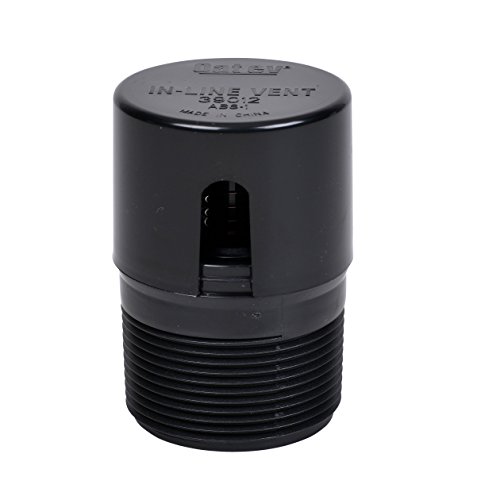
The Oatey 39012 is a 1.5 inch NPT ABS in-line vent designed to help prevent sewer gas from entering living spaces. Its ABS construction provides durability in basement and bunker environments, while the vent’s spring-loaded mechanism opens with negative pressure and closes with positive pressure. This feature helps maintain airflow when needed and seals when air is not moving, supporting a safer, odor-controlled underground space.
HYDRO MASTER 1-1/2 Inch ABS In-Line Vent

Hydro Master’s 1-1/2 inch ABS in-line vent provides a robust, simple solution for blocking sewer gases while allowing controlled airflow. The ABS construction supports long-term use in rugged environments often found in bunkers. This unit integrates easily with ductwork and provides reliable operation in a compact form, making it a practical choice for tight underground spaces where venting is required without adding significant footprint.
Tjernlund V1 UnderAire Crawlspace Ventilator

The Tjernlund V1 UnderAire is a compact crawlspace ventilator designed to move musty, damp air through existing passive vents. With a face plate sized for standard brick foundations and a 110 CFM rating, this 20-watt exhaust fan operates maintenance-free. It’s well-suited for bunkers with crawlspace interfaces, helping to reduce humidity and mold risk by improving air exchange without requiring large power use.
Five Oceans 2-Pack 6-Slotted Louvered Flush Ventilators

These Five Oceans louvered vents are crafted from marine-grade ABS plastic with corrosion resistance. The external dimensions are 3-5/8″ square, with a 3″ vent area to maximize airflow while keeping a low profile for bunker walls or bulkheads. The dual-pack design provides flexibility for multi-point air intake and exhaust, helping reduce condensation and odors in compact, marine-grade-inspired bunker settings.
Oatey 39239 8-Stack DFU Installation Kit

The Oatey 39239 DFU installation kit includes a tubular adapter air admittance valve kit suitable for venting up to 20 DFU branches or 8 DFU stacks. This kit provides an alternative to traditional venting in a DWV system, which can be beneficial for bunker layouts where vertical venting is limited or where space constraints exist. It helps maintain proper airflow and odor control without requiring extensive ductwork above ground.
Buying Guide
Key considerations when selecting bunker ventilation components include airflow capacity, space constraints, installation complexity, durability, and compatibility with existing ducting. Consider the following:
- Airflow needs: Match CFM ratings to the size of the bunker, number of occupants, and moisture levels. Higher CFM units are better for larger or more tightly sealed spaces.
- Durability and material: ABS and other durable plastics resist moisture and corrosion, important for underground environments with higher humidity.
- Ingress protection: If moisture or dust is a concern, choose sealed or IP-rated vents to prolong life and maintain performance.
- Installation footprint: Inline vents and compact crawlspace units should fit within existing walls or bulkheads without compromising structure.
- Ventilation strategy: Use a mix of intake and exhaust devices to create balanced air exchange, reducing odors and moisture buildup.
- Maintenance: Select devices with simple maintenance requirements and accessible filters or serviceable parts.
- Code and compatibility: Ensure kits or valves comply with local codes and work with your DWV or ventilation system design.
For bunker applications, it’s common to combine passive and active ventilation devices to achieve reliable air movement while limiting energy use. Inline vents can manage sewer-gas prevention, while crawlspace or exhaust fans address humidity and mold risk. In tight spaces, multi-point vent strategies with compact louvers can maximize airflow without invading precious space.