Choosing the right vent system for an enclosed trailer, RV, or work truck helps protect cargo and maintain a comfortable interior. The following selections emphasize durable materials, easy installation, and effective venting across a variety of trailer and vehicle types. Each option is designed to withstand road vibrations, weather exposure, and daily use while delivering steady airflow.
Summary of selected products:
| Product | Brand | Key Benefit |
|---|---|---|
| RV Vent Covers for Trailer | Lonffery | Efficient side ventilation with heavy-duty plastic construction |
| RV Vent – Side Vents | Lonffery | Reliable side air flow, robust build, easy bolt-on install |
| RV Vent Covers 2-Pack | MaiTianna | Versatile, universal fit, durable and easy to install |
| Livpow RV or Trailer Roof Vent | Livpow | 14″ x 14″ roof vent with weather-tight frame |
| Camp’N 14 Inch Universal Roof Vent | Camp’N | OEM lid replacement with broad compatibility |
Lonffery RV Vent Covers for Trailer

The Lonffery side vent is designed to promote efficient air circulation within enclosed trailers, RVs, and work trucks. Its side-mounted configuration helps ventilate cargo spaces without protruding fixtures, aiding odor control and interior freshness during trips. The vent is constructed from heavy-duty plastic, built to endure road vibrations, sun exposure, and harsh weather. Installation is straightforward: bolt-on openings simplify mounting on compatible side panels, reducing setup time and eliminating the need for specialized tools.
Key considerations include compatibility with various trailer side panels and the ability to withstand long-term exposure to the elements. This model emphasizes durability and practical ventilation rather than cosmetic features, making it suitable for frequent travelers, hauling crews, and equipment trailers.
Features at a glance: side ventilation, heavy-duty plastic construction, and bolt-on installation. This option prioritizes dependable airflow and rugged performance in dynamic trailer environments.
Lonffery RV Vent – RV Vent Covers for Trailer
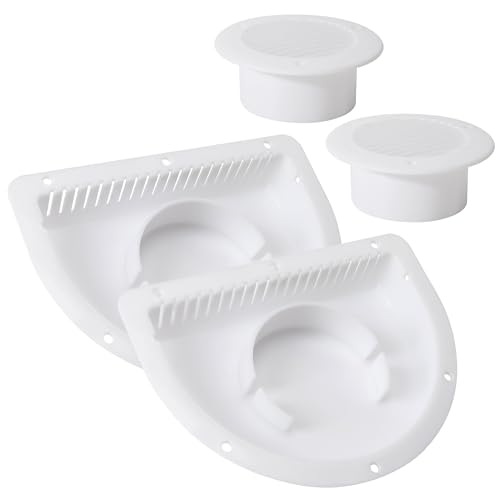
This Lonffery vent emphasizes efficient side ventilation for enclosed RVs, trailers, and trucks, designed to keep interiors fresh on long trips. A heavy-duty plastic build supports durability against vibrations, sun exposure, and varied weather. The bolt-on installation keeps it simple for side-panel mounting without requiring complex tools or professional help. The design aligns with standard trailer profiles, helping owners retrofit or upgrade without major modifications.
In practice, users should assess the vent’s airflow capability relative to trailer size and the local climate. While primarily functional, its robust construction helps ensure long-term reliability in commercial and recreational uses alike. It pairs well with other Lonffery vent solutions for a coordinated ventilation strategy.
Important notes: ease of installation, weather resistance, and longevity. This vent is positioned as a dependable choice for frequent travelers and professional fleets seeking durable, low-maintenance airflow.
RV Vent Covers for Trailer – 2 Pack by MaiTianna

These heavy-duty vent covers by MaiTianna come as a 2-pack, offering a versatile solution for multiple trailers, RVs, and trucks. The vents are crafted from heavy-duty plastic to withstand road vibrations and varying weather conditions while maintaining reliable performance. The bolt-on design is described as easy to install on compatible side panels, promising quick upgrades without professional assistance. This makes them suitable for fleet operators and weekend campers alike.
Key strengths include universal applicability across various vehicles and a straightforward installation process. The two-pack provides a cost-efficient option for owners who need coverage on more than one vent location or a spare for future replacements. Durability and simple retrofit remain the primary appeal for this product.
Considerations include ensuring compatibility with existing openings and confirming the side-panel dimensions match the vent’s mounting footprint. For users prioritizing a quick, durable upgrade, MaiTianna offers a practical balance of reliability and value.
Livpow RV Or Trailer Roof Vent

The Livpow roof vent is designed for compatibility with standard 14″ x 14″ openings, making it a straightforward option for many RVs, trailers, and campers. It supports a 1-1/4″ to 2-1/4″ thick roof fit and includes a one-piece seamless frame that resists leaks and weather intrusion. The translucent white lid admits light while maintaining weather protection, which can enhance interior visibility without adding glazing risk.
With a focus on weather-tight sealing and universal roof fit, this vent suits owners seeking a reliable replacement or upgrade for older roof units. The integrated seal and single-piece frame reduce potential leak points while offering durable performance in varied climates. Users should verify roof dimensions and thickness to confirm compatibility with their specific roof systems.
Practical considerations include ease of maintenance, potential for light diffusion, and compatibility with existing roof hardware. Livpow provides a balanced option for those prioritizing a robust seal and straightforward installation on standard trailer roofs.
Camp’N 14 Inch Universal RV Roof Vent

The Camp’N replacement vent cover measures 14″ x 14″ and is compatible with many roof vent systems, including some Ventline vents prior to 2008 and Elixir vents starting in 1994. It is designed for broad compatibility, making it a popular OEM lid replacement choice. The product description notes the pair of replacement vent cover measurements and emphasizes durable, impact-resistant plastics to extend the life of roof ventilation. This option suits owners performing retrofits or repairs on older roof vent assemblies.
Key considerations include verifying vent compatibility before purchase and confirming the roof opening dimensions align with the 14″ x 14″ standard. Camp’N’s focus on compatibility reduces mismatch risks during upgrades and supports a broad retrofit approach for various trailer and motorhome roof systems.
RecPro Exterior Vent Cowl Kit
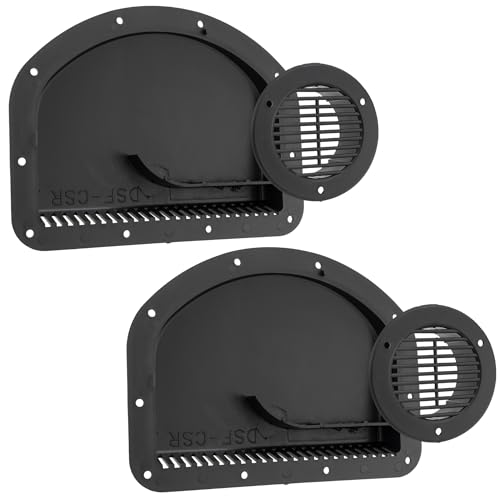
RecPro’s vent cowl kit is designed to ventilate enclosed trailers with a driver’s side front and curb-side rear configuration, including a built-in grill. The kit uses UV- and water-resistant polypropylene plastic to withstand harsh weather while promoting airflow. Installation is described as easy and fast, with a low-profile two-piece vent designed to fit over a 3-inch hole in the side wall. The weather-resistant design helps prevent moisture intrusion, a common concern for trailers exposed to rain and splashes.
Pros include straightforward installation, robust weather resistance, and effective water management through the weep hole and aerodynamic design. This option is well-suited for owners seeking a dependable retrofit that can be installed without extensive modifications, while maintaining durable exterior protection.
classAcustoms Ventline Non Powered RV Roof Vent
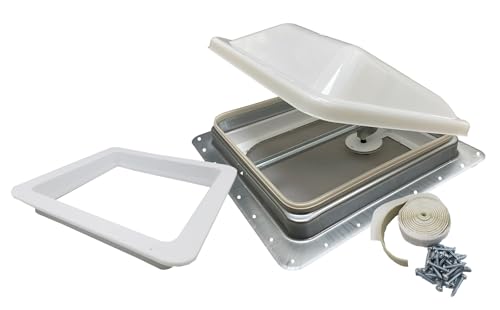
This classAcustoms white lid vent is a non-powered option designed to fit a rough opening of around 14.25″ x 14.25″ with a putty and screws kit included. The product emphasizes an aerodynamic lid shape to minimize wind resistance while offering a straightforward lid replacement path for older roof vents. The included garnish/trim ring helps achieve a neat finish on installation, reducing visible gaps and improving seal integrity.
As with many non-powered roof vents, considerations include ensuring compatibility with existing roof vent brands, confirming the opening dimensions, and validating the need for manual vent operation. For users seeking a simple, cost-effective lid upgrade that fits common 14″ x 14″ openings, this option provides a practical choice with an attention to fit and finish.
Buying Guide: Key Purchase Considerations For Enclosed Trailer Vents
- Vent placement: Side vents versus roof vents affect airflow pathways. Side vents are ideal for continuous intake while roof vents can promote exhaust and cross-ventilation when paired with side openings.
- Durability: Look for heavy-duty plastics or UV-resistant materials that withstand sun, rain, and road vibrations. Consider corrosion resistance if vent hardware is exposed to salt or harsh chemicals.
- Installation: Bolt-on designs usually offer simpler retrofits and compatibility with standard trailer sides. Check mounting hole spacing and the need for additional brackets or sealants.
- Weather sealing: Roof vents should provide a leak-proof seal with a seamless or gasketed frame. Side vents benefit from robust seals around mounting edges to prevent moisture intrusion.
- Compatibility: Verify opening sizes (for example, 14″ x 14″ openings) and roof thickness ranges. Replacement lids should align with existing vent brands to ensure a proper fit.
- Maintenance: Consider ease of cleaning and the presence of features that direct water away from the interior, such as air vortex paths or weep holes.
- Vent type: Decide between powered, non-powered, or passive vent designs. Non-powered vents are simple, while powered options may require wiring and more complex installation.
- Color and finish: White or UV-resistant finishes help minimize heat absorption and maintain a clean look on exterior panels.
- Cost vs. longevity: Budget-friendly options can provide reliable airflow, but investing in a durable model reduces replacement frequency and total cost of ownership.
- Fleet considerations: For commercial fleets, choose uniform vent models to simplify replacement parts, maintenance, and cross-vehicle compatibility.
In sum, the best vent choice depends on vehicle type, climate, and maintenance preferences. Side vents excel for steady interior ventilation without roof penetration, while roof vents deliver exhaust and cross-ventilation. A practical approach combines reliable materials, easy installation, and compatibility with existing openings to maximize airflow and protect interior cargo.