Choosing the right window tint for buildings involves balancing privacy, heat control, UV protection, and ease of installation. This guide highlights five top options and explains how their features fit common commercial and residential building needs. From daytime privacy to energy savings, these films are designed to reduce glare, block UV rays, and help manage interior temperatures without sacrificing daylight. Read on to compare options and find the tint that best fits your building’s windows and usage.
| Product | Brand | Key Benefit |
|---|---|---|
| BDF NA05 Window Film | BDF | Very dark daytime privacy; strong heat rejection; UV protection |
| Dwersty One Way Window Film | Dwersty | Daytime privacy with mirror effect; heat control; UV/IR blocking |
| BDF S05 Window Film | BDF | Very dark daytime privacy with mirror finish; heat rejection; UV protection |
| KESPEN Window Film One Way | KESPEN WINDOW FILMS | Daytime privacy; UV and glare reduction; heat control |
| RockRose Window Tint Film | RockRose | Carbon film with UV blocking and heat reduction; multiple shades available |
These options cover a range of installation styles—adhesive-backed and non-adhesive sheeting—and price points, making it easier to match a budget with performance for office buildings, storefronts, or residential complexes. The following product sections summarize each film’s core features and practical considerations.
BDF NA05 Window Film: Daytime Privacy and Heat Control
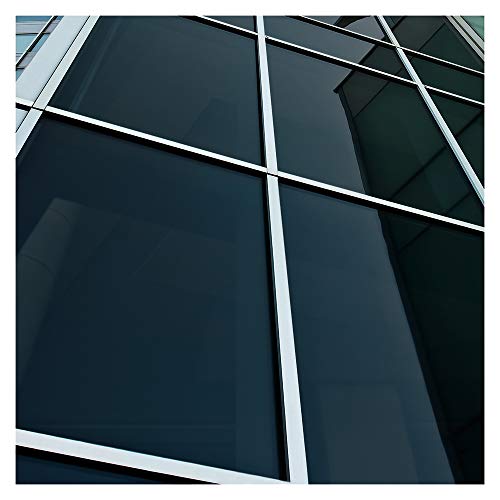
The BDF NA05 film is described as EXTRA DARK with a black finish designed for daytime privacy. It strongly blocks sunlight, which helps reduce glare and interior fading by cutting UV exposure—reportedly blocking 99% of UV rays. It is noted as not recommended for dual-pane windows, which is a factor to consider for many modern buildings. The film offers excellent heat rejection to lower cooling costs during hot months. A robust adhesive with a release liner is included, and installation is aided by a substantial soap-and-water application approach to soak both sides. This option is suitable for spaces prioritizing maximum daytime privacy and heat control.
Key considerations for use in buildings:
– Best for deteriorating sun exposure where privacy during the day is critical.
– Ensure window types are compatible (not ideal for certain dual-pane configurations).
– Plan for a generous application of cleaning solution during installation to manage adhesive.
Dwersty One Way Window Film: See Out, Not In

Dwersty offers a daytime privacy solution with a reflective mirror effect that obscures interior views from outside when outdoor lighting is brighter. The reverse effect occurs at night when interior lighting is stronger, so curtains are recommended for privacy after dark. The kit includes free tools inside the packaging to assist installation. In terms of performance, the film reflects a portion of the sun’s heat, aiding energy savings and helping air conditioning reach stable temperatures faster. It blocks about 93% of UV rays and 85% of IR rays, contributing to reduced fading and glare.
Practical notes for building use:
– Consider nighttime privacy needs; additional window coverings may be necessary after dark.
– The included tools help with installation, but professional installation may still be prudent for large panes.
– The balance of UV and IR blocking supports both interior protection and energy efficiency.
BDF S05 Window Film: Daytime Privacy with Mirror Silver Finish

The BDF S05 film features an extra-dark, reflective silver finish designed to provide daytime privacy while contributing to heat rejection. This film mirrors the outside when daylight is strong, but the interior becomes visible at night as lighting conditions reverse the effect. It blocks 99% of UV rays, helping preserve furnishings, and uses a strong adhesive with a release liner to facilitate installation with ample soap-and-water soaking for the adhesive side and window.
Important considerations:
– Great for storefronts or office windows needing daytime privacy and glare control.
– Check local lighting conditions; nighttime privacy requires additional coverings if needed.
– The silver mirror finish may affect the consistency of daylight transmission depending on window orientation.
KESPEN Window Film One Way: Privacy, UV and Glare Control

KESPEN’s one-way, daytime-privacy film focuses on a balance of light transmission and privacy. The analysis notes that when interior lighting becomes brighter than outdoor lighting, the mirror effect diminishes, so nighttime privacy may require curtains. The film blocks 82% of infrared rays and 90% of UV rays, aiding skin protection and furniture preservation. It also contributes to heating and cooling balance by reflecting some heat back outside, supporting energy savings while maintaining a view through the film during the day. This option suits buildings prioritizing visible daylight with selective privacy.
Key points for building use:
– Valuable for offices or showrooms needing daylight and privacy checks.
– Consider complementary window coverings for night hours.
– UV and glare control support long-term material protection.
RockRose 5% Carbon Window Tint: Pro-Grade Heat and UV Blocking

RockRose uses a premium carbon film designed to block 99% of UV rays and reduce infrared transmission by up to 55%, delivering cooler interiors and reduced glare. The 5% shade provides substantial daytime privacy while preserving visibility from inside. The film is described as car-grade in its application, but it is also adaptable for larger window installations and can be used in home or commercial settings. The dimensions are generous, allowing coverage of standard building window sections with a tidy finish and good long-term durability.
Practical considerations:
– Ideal for spaces where strong privacy is needed with a sleek, dark appearance.
– Carbon film tends to hold color well and resist fading over time.
– Evaluate installation approach for large panes and potential heat-load reduction needs.
Buying Guide: Key Considerations For Building Window Tinting
When selecting window tint for buildings, consider the following factors to balance privacy, energy efficiency, and daylight comfort.
-
<liPrivacy needs: Determine whether daytime privacy is sufficient or if nighttime privacy is also required. One-way mirror films provide strong daytime privacy but may require additional coverings after dark.
- UV protection: UV blocking helps preserve interior furnishings and protect occupants from exposure. Look for films that block 99% of UV rays for the strongest protection.
- Adhesive type and installation: Adhesive-backed films require careful installation; non-adhesive or static-cling options offer easier removal and reapplication but may have different performance characteristics.
- Window type and compatibility: Some films are not recommended for certain glazing (e.g., dual-pane windows). Verify compatibility with your glass units and building codes.
- Maintenance and cleaning: Consider how easily the film can be cleaned and whether special cleaning solutions are needed to avoid adhesive damage or film degradation.
- Installation scale: For large commercial windows, professional installation may save time and ensure a bubble-free finish. Some kits include tools to simplify DIY application.
<liLight transmission: Films range from very dark to lighter shades. Higher shading reduces glare and interior heat but also affects natural light and external visibility.
<liHeat rejection vs. glare control: Some films emphasize heat rejection (IR blocking) while others prioritize glare reduction. For summer cooling, IR and UV blocking are key.
<liAesthetic and view: Reflective or mirror finishes can alter the exterior appearance of the building. Consider architectural guidelines and neighborhood aesthetics.
<liLongevity and warranties: Check for warranties on damage resistance, color stability, and adhesion to ensure long-term performance.
In sum, the right window tint for your building hinges on environment, occupancy, and maintenance preferences. By weighing privacy needs, daylight requirements, and energy goals, you can choose a film that preserves interior comfort while enhancing exterior appeal and reducing operating costs.